

Pauline Melnyk
Founder & Executive Director
Melnyk Consultancy Ltd
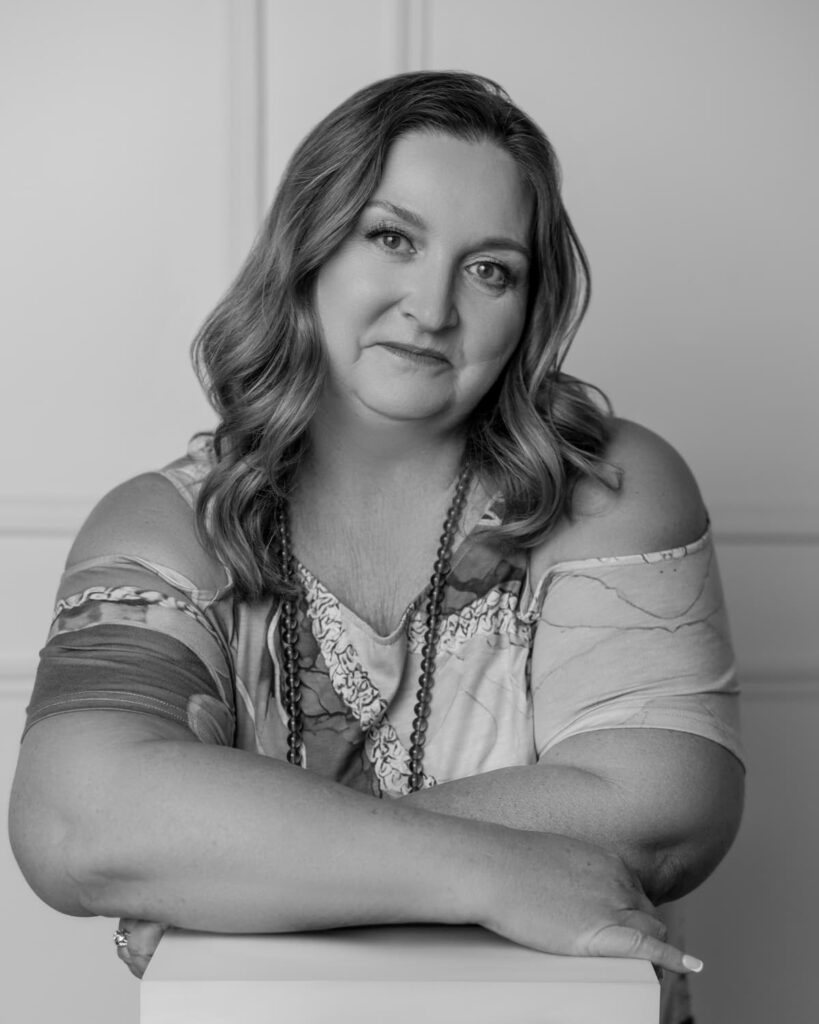
For Pauline Melnyk, change has always been about people. She has spent more than 25 years in organizational change, HR, leadership and workforce development, supported by more than 20 years and 3,500 hours of professional coaching experience. Today, she is an ICF Master Certified Coach (MCC), Registered Mentor Coach, educator and change practitioner. Her work rests on one simple question: How do we help people navigate change well?
Pauline began her career working inside large organizations, where a single change could affect thousands of people at once. That experience shaped how she came to understand change: a strong strategy, new technology or well-designed project plan does not guarantee success. People also need to understand what is changing, why it matters and what it means for them personally. Just as importantly, they need to feel that they have a voice and a meaningful role in shaping what comes next. Without that, even a well-planned change can lose momentum.
Technology implementation is ultimately also a human transition.
Coaching became a larger part of her work as she watched capable leaders carry heavy responsibility amid uncertainty, resistance and competing priorities. Many of them did not need another framework. They needed room to test their assumptions, regain perspective and decide how they wanted to lead. This experience gave rise to Vector4Change™, an approach built on the belief that lasting change needs attention to the person, the team, the organization and the wider system.
Pauline is careful about professional boundaries. Coaching, consulting, training and change management all serve different needs, and she believes good practice means knowing which approach is needed, and when. Her background spans change, HR, Agile, sustainability, trauma-informed coaching, neuroscience and leadership development, giving her a broad perspective when working through complex challenges. At the same time, experience has taught her that having many tools does not mean using all of them at once. Being clear about the role she is playing, and why, is an important part of how she works with clients and maintains professional integrity.
One project shaped her thinking more than most. It was a large enterprise technology transformation with many stakeholder groups, competing priorities and a tight delivery timeline. Her formal role was in change leadership, but she also drew on coaching behaviours in the way she worked with leaders and teams. She did not turn project meetings into coaching sessions. Instead, she asked leaders what they were seeing before offering her own perspective, helped teams explore their assumptions and created space for difficult conversations. She also became more aware of how pressure can narrow people’s thinking. At times, one of the most useful questions was simply: what are we not seeing yet?
The project later received external recognition in an award process, which Pauline found gratifying. What she values more, however, is the change in how people talked to each other. They worked better across boundaries, made sense of complexity and took ownership of what they could influence. The experience showed her that coaching skills are not only useful in formal coaching. Used ethically, they can strengthen leadership and change practice itself.
That lesson sits behind the Vector4Change™ Coach Program. Organizations today face AI, digital transformation, restructuring, skills shortages and change fatigue, often all at once. Pauline believes coaches working in this setting should understand the world around the coaching conversation. The program pairs professional coaching skills with knowledge of change, Agile ways of working, neuroscience, psychological safety, sustainability and organizational systems. The aim is not to turn coaches into consultants. It is to help them ask better questions, spot complexity and support clients in building their own judgment and leadership.
Transformation is rarely one-dimensional, and our development of people should not be either.
Cumulative change is among the biggest challenges she sees. People rarely face one neat transformation at a time. They may be adjusting to AI, new leaders, new tools and heavier workloads all at once, and organizations often underestimate the weight of those combined demands. In technology projects, attention can fall almost entirely on configuration, testing and go-live. Pauline encourages leaders to also ask what people are worried about, what leaders may be avoiding and what conversations still need to happen. Her goal is to shift the focus from simply telling people what is changing to helping them understand what it means, where they can contribute and how they can take part in what comes next.
Artificial intelligence makes the human side of change even more important. Much of the public talk about AI centers on technology and productivity, yet employees are asking personal questions. What happens to my role? Will my expertise still matter? What should I learn next? The Vector4Change™ Coaches for AI Workforce Success program is designed to help coaches support people and leaders as they navigate the workforce implications of AI. Pauline does not believe coaches need to become AI technologists. Rather, they need to understand enough about the change to help people work through uncertainty, question fear-based assumptions, build confidence to learn and adapt, and explore new ways of working safely. For leaders, coaching broadens the conversation beyond introducing AI to considering how it can be implemented responsibly, with people meaningfully included in the process.
Pauline sees neuroscience, psychological safety, trauma-informed practice and sustainability as connected ways of understanding the same human system, rather than as separate initiatives. Neuroscience helps explain how people respond to uncertainty, perceived threat and established habits. Psychological safety influences whether people feel able to speak up, ask questions and try something new. Trauma-informed practice reminds us that people experience change differently and may need different kinds of support. Sustainability brings a longer-term lens, asking whether the decisions made today will remain responsible and effective over time. Together, these perspectives help organizations take a more integrated approach rather than treating each area as a separate initiative.
Her advice to new coaches and change practitioners is to stay curious longer. Many professionals are so keen to show their expertise that they solve a problem before they fully understand it. She encourages them to keep learning without confusing credentials with wisdom, to work with people who think differently and to be comfortable acknowledging when they do not yet have the answer.
People should not simply be recipients of change, but active participants in shaping it.
Looking ahead, Pauline believes coaching will matter even more as work becomes more technical. The more technology can do, the more valuable human strengths such as judgment, courage, empathy and ethical decision-making become. She wants Vector4Change™ to develop coaches and change leaders who can support both the individual experience of change and the broader systems in which that change is happening. She also hopes to help build organizations where people are active participants in change rather than passive recipients of it. Every strategy, system and organizational structure ultimately affects people, and in her view, meaningful transformation starts by recognizing that.
Let’s explore how to build the confidence and capability your leaders, practitioners, coaches and workforce need to navigate change well.
Connect with Pauline Melnyk, MCC, or learn more about Vector4Change™. https://melnykconsultancy.org contact@melnykconsultancy.org