
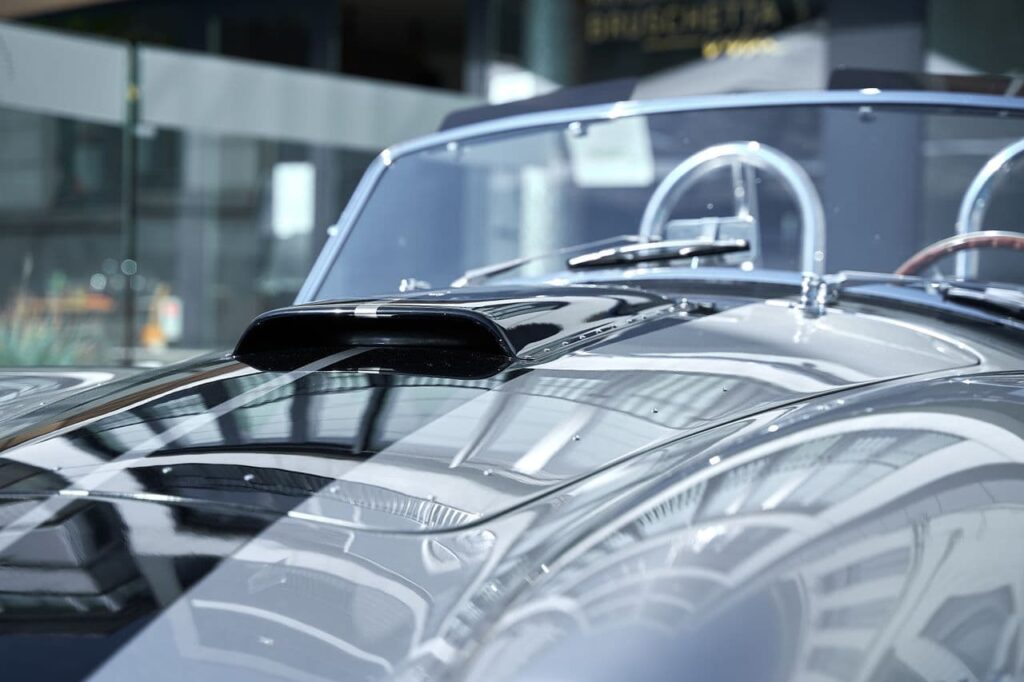
Automotive design has always been about more than creating a vehicle that looks attractive. It brings together engineering, technology, functionality, emotion, and human experience. While automotive trends change quickly, some designs remain relevant for decades because they connect with people in a deeper way. These are timeless designs. They do not simply follow trends. Instead, they create visual identities that influence how people understand and experience mobility.
As the automotive industry enters a period of major transformation, timeless design is becoming even more important. Electric vehicles, autonomous driving, connected technologies, lightweight materials, and sustainable manufacturing are changing the traditional idea of what a car should be. Yet, even as technology evolves, the need for beautiful, practical, and emotionally meaningful design remains.
Timeless automotive design begins with a strong understanding of proportion, balance, and purpose. A vehicle can have advanced technology, but if its overall form feels disconnected or excessive, its appeal may disappear as trends change. Designers who focus on fundamental principles can create vehicles that remain attractive even when technology and consumer preferences evolve.
Proportion plays an important role in this process. The relationship between the wheels, cabin, body, windows, and overall stance creates the visual character of a vehicle. These elements can communicate strength, elegance, performance, or comfort before a person even enters the car. When proportions are carefully developed, the design can remain relevant without depending heavily on temporary styling trends.
This principle is especially valuable as electric vehicles reshape automotive architecture. Traditional vehicles were designed around internal combustion engines, fuel tanks, exhaust systems, and mechanical components. Electric vehicles offer designers greater freedom because batteries, motors, and electronic systems can be packaged differently. This creates opportunities for new proportions, interior layouts, and exterior forms.
However, greater freedom does not automatically result in better design. The challenge for designers is to use new technology without allowing technology itself to dictate every visual decision. Timeless design can provide a framework for balancing innovation with familiarity. Electric vehicles can look modern and progressive while still retaining the visual qualities that make automobiles emotionally engaging.
The future of mobility is also becoming increasingly digital. Cars are now connected platforms capable of providing navigation, entertainment, communication, safety assistance, software updates, and personalised services. Screens and digital interfaces are becoming central parts of the driving experience. Yet, technology inside the cabin must still be integrated with human needs.
A timeless approach to interior design focuses on clarity rather than simply adding more digital features. Controls should be intuitive, materials should support comfort, and the environment should feel coherent. As vehicles become more automated, the interior may evolve from a traditional driver’s cockpit into a flexible space for work, relaxation, communication, or entertainment. Good design will determine whether these new spaces feel natural and useful.
Autonomous mobility could create an even greater shift. If vehicles eventually take over more driving responsibilities, the relationship between passengers and the automobile will change. The interior could become more important than the exterior because people may spend more time interacting with the vehicle as a personal environment.
This does not mean exterior design will become less important. Instead, it will have to communicate a different purpose. Designers may need to rethink traditional elements such as grilles, air intakes, exhausts, and engine-focused proportions. The automobile of the future could have a cleaner visual language while still expressing personality and character.
Sustainability is another major factor shaping the future of automotive design. Consumers and manufacturers are increasingly considering the environmental impact of materials, production methods, energy use, and vehicle lifecycles. Designers therefore have an important role in making sustainability part of the vehicle’s identity.
Timeless design can support sustainability because a vehicle that remains desirable for longer may have a longer emotional and practical lifecycle. Constantly changing visual trends can encourage consumers to view older products as outdated. In contrast, a well-designed vehicle can continue to feel relevant even after several years.
This approach can influence material selection as well. Designers are exploring recycled materials, renewable resources, low-impact manufacturing processes, and innovative composites. The challenge is to ensure that sustainable materials do not feel like compromises. They can instead become important elements of the vehicle’s visual and tactile identity.
Another important development is the increasing personalisation of mobility. Digital technologies allow vehicles to adapt to individual preferences, from seating positions and lighting to entertainment and driving settings. Future vehicles may become increasingly responsive to the people using them.
Yet personalisation should not eliminate the importance of a strong overall design identity. A timeless vehicle needs a clear character that remains recognisable regardless of the software, configuration, or individual preferences applied to it. The physical design provides the foundation, while digital technology can add layers of personal experience.
The relationship between design and brand identity will also become more significant. As mechanical differences between vehicles become less visible, particularly with electric powertrains, brands will increasingly rely on design to distinguish themselves. Shape, proportions, lighting signatures, materials, and interior environments can become powerful tools for communicating brand values.
For designers, this creates an interesting challenge. They must understand emerging technologies while also protecting the emotional qualities that have historically made automobiles special. The strongest future designs are unlikely to be those that simply display the newest technology. They will be the ones that integrate technology so naturally that it becomes part of a complete experience.
Timeless design also requires designers to understand people. Automotive design is ultimately about human behaviour. People use vehicles for commuting, travelling, working, exploring, spending time with family, and expressing personal identity. Understanding these emotional and practical needs allows designers to create products that remain meaningful beyond a particular market trend.
The influence of iconic automotive design can already be seen across the industry. Certain vehicles remain memorable because their designers established a clear visual idea and executed it with discipline. Their designs often contain simplicity, distinctive proportions, and carefully controlled details. These qualities can continue to influence new generations of designers.
As mobility becomes more sustainable, connected, autonomous, and digitally integrated, the automobile will continue to evolve. But evolution does not require abandoning design principles that have stood the test of time. Instead, the future provides designers with an opportunity to reinterpret those principles for a new generation.
Timeless automotive design is therefore not about making a vehicle look old-fashioned or refusing to embrace change. It is about creating a design foundation strong enough to survive change. Technology will continue to develop, mobility models will change, and consumer expectations will evolve. A successful design must be capable of adapting while retaining its essential character.
The future of mobility will ultimately depend on more than batteries, software, sensors, and autonomous systems. People will still want products that inspire them, feel intuitive, and reflect their aspirations. Timeless automotive design can provide that emotional connection.
When technology and design work together with purpose, automobiles can become more than transportation solutions. They can become lasting expressions of innovation, culture, craftsmanship, and human creativity. In this way, timeless automotive design will not simply preserve the legacy of the automobile. It can help shape what mobility becomes next.