
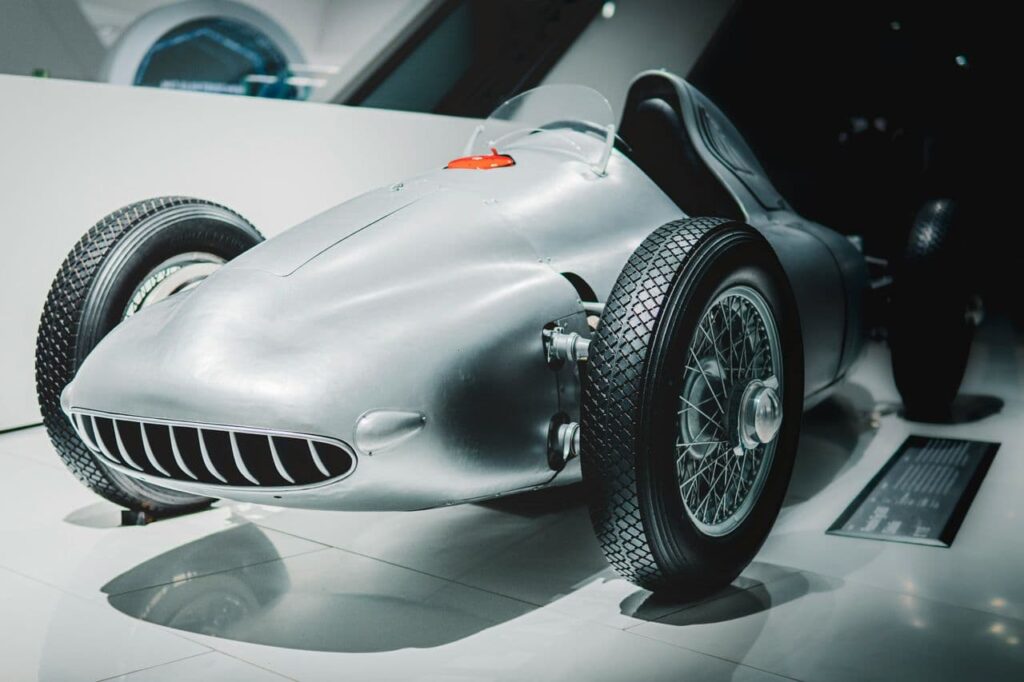
Automotive design is more than creating a vehicle that looks attractive. It is the art of shaping an object that can create an emotional connection, communicate a clear identity, and remain memorable long after its first appearance. While technology, performance, and engineering determine much of what a car can do, design often determines how people feel about it. The most successful automotive designs go beyond trends. They become symbols of an era, a brand, or an idea.
Creating an iconic automotive design is therefore a complex combination of creativity, engineering, culture, proportion, functionality, and vision. A designer must understand what people expect from a vehicle while also imagining what they have not yet seen. The challenge is not simply to make something different. It is to create something distinctive that still feels natural, purposeful, and timeless.
One of the first principles behind an iconic vehicle is proportion. Before details such as headlights, grilles, wheels, or surface treatments are considered, the overall shape of a vehicle establishes its character. The relationship between the cabin, wheels, bonnet, glass area, and body creates the visual foundation of the automobile. Strong proportions can make a vehicle appear powerful, elegant, athletic, refined, or practical even when viewed from a distance.
This is why some cars remain recognisable through their silhouette alone. Their proportions create an identity that does not depend on decorative elements. Designers who understand this principle can create vehicles that remain visually strong even as individual styling trends change.
Another important element is simplicity. Automotive designers often have access to sophisticated digital tools that allow them to create increasingly complex surfaces and details. However, complexity does not automatically create memorable design. In many cases, the most influential vehicles are built around a small number of strong visual ideas.
A clear line, distinctive roof profile, carefully shaped grille, or unique lighting signature can become more powerful than dozens of decorative features. Simplicity gives a design confidence. It allows important elements to communicate clearly rather than competing for attention.
At the same time, simplicity should not mean sameness. Iconic vehicles usually have a distinctive design language that separates them from competitors. This identity may come from a particular treatment of the front end, a signature lighting arrangement, a recognisable shoulder line, or a characteristic relationship between form and function. Over time, these elements become part of the visual vocabulary of the brand.
Consistency is especially important for automotive companies. A successful brand does not need every model to look identical, but its vehicles should share certain design principles. These principles create recognition across different segments and generations. When customers can identify a brand before seeing its badge, the design language has achieved real strength.
However, creating a timeless design requires more than following brand identity. Designers must understand the difference between a trend and a lasting idea. Automotive design constantly changes as society, technology, regulations, and consumer preferences evolve. Certain shapes and details may become popular for a few years before quickly becoming outdated.
An iconic design instead focuses on fundamental qualities such as proportion, balance, clarity, and character. It can incorporate contemporary elements without becoming completely dependent on them. This allows the vehicle to remain relevant even after the visual trends surrounding its launch have changed.
Technology has also transformed the relationship between design and functionality. Electric vehicles, advanced driver-assistance systems, digital displays, new lighting technologies, and changing aerodynamic requirements have opened new possibilities for automotive designers. Without a traditional engine layout, designers can reconsider how space is organised and how the vehicle interacts visually with its surroundings.
Yet technology should support design rather than dominate it. A vehicle filled with technological features does not necessarily become memorable. The strongest designs integrate technology naturally into the overall form. Cameras, sensors, lighting, screens, charging systems, and aerodynamic components can become part of the vehicle’s identity when they are carefully considered from the beginning of the design process.
Aerodynamics is another area where engineering and design meet. Every vehicle must manage airflow, efficiency, cooling, stability, and performance. Designers therefore work within physical limitations while searching for visual solutions. When engineering requirements are integrated intelligently, functional components can contribute to the beauty of the vehicle rather than appearing as compromises.
The emotional side of automotive design is equally important. People often develop strong attachments to cars because vehicles represent freedom, achievement, adventure, family, performance, or personal identity. Designers must understand these emotional associations. A sports car may communicate excitement and confidence, while a luxury vehicle may focus on elegance and authority. A family vehicle may emphasise comfort, safety, and practicality.
This emotional communication begins long before a person enters the vehicle. The exterior creates the first impression, while the interior continues the story. Materials, colours, seating position, controls, lighting, textures, and spatial organisation all contribute to the experience. An iconic design therefore needs to work as a complete environment rather than as an attractive exterior alone.
The creative process behind such a vehicle is rarely straightforward. Designers begin with research, sketches, references, digital models, physical models, and countless iterations. Ideas that look promising on paper may not work when translated into three dimensions. A surface may need to be reshaped because of manufacturing requirements, safety regulations, aerodynamics, or engineering constraints.
This process requires patience and collaboration. Automotive designers work closely with engineers, product planners, marketers, manufacturing specialists, material experts, and technology teams. The final vehicle represents a balance between creative ambition and practical reality. The ability to protect the central design idea while adapting to these constraints is one of the defining skills of successful automotive design.
Physical modelling remains valuable even in an increasingly digital industry. Digital tools allow designers to explore thousands of possibilities quickly, but physical models reveal how light moves across surfaces and how proportions appear in real space. They help designers understand details that may not be obvious on a screen.
The best designers also look beyond the automotive industry. Architecture, fashion, industrial design, sculpture, aviation, nature, photography, and even urban environments can provide inspiration. These influences can help designers discover new relationships between form, material, movement, and emotion.
Ultimately, an automotive icon is created when design achieves a rare balance between originality and familiarity. It must be different enough to capture attention but coherent enough to feel purposeful. It should reflect its time without being trapped by its time. Most importantly, it should create an emotional response that continues long after the initial excitement of its launch.
The art of creating automotive designs that become icons is therefore not about predicting exactly what people will want tomorrow. It is about understanding people, technology, culture, and movement while having the courage to create something with its own identity. When proportion, simplicity, innovation, function, and emotion come together, an automobile can become more than a product. It can become a design reference, a cultural symbol, and a lasting expression of human creativity.