Maurizio Corbi – The Art of Timeless Automotive Design
Digital Edition 2026
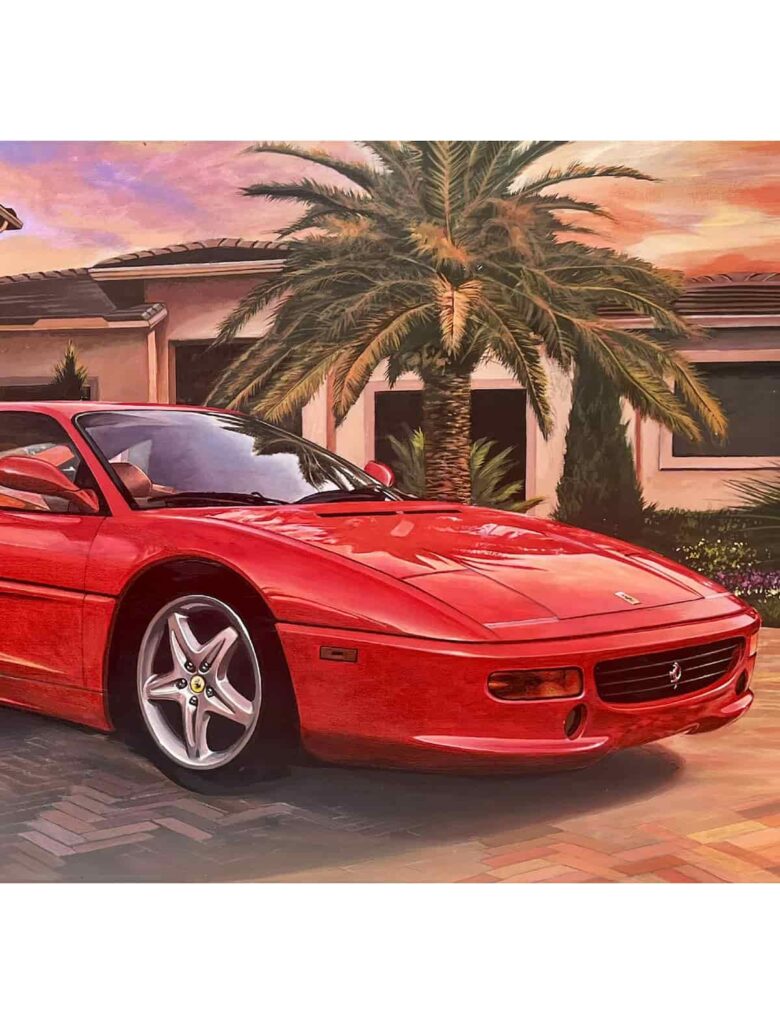

Maurizio Corbi has built a remarkable career around one enduring passion: the automobile. As an Italian car designer and automotive artist, he has spent decades exploring the relationship between form, technology, performance, craftsmanship, and emotion. His journey has taken him from a childhood fascination with cars to some of the most respected names in automotive design, including Ford/Ghia, Aviointeriors, Bertone, and Pininfarina. During more than three decades at Pininfarina, he had the opportunity to contribute to several important Ferrari projects, including the F456 GT, F50, F355, F550 Maranello, F360 Modena, and later the Ferrari California.
CIO Global is pleased to spotlight Maurizio Corbi in this edition, celebrating a notable contribution to leadership, innovation, and industry progress.
His connection with cars began when he was only eleven years old. His father purchased a Fiat 128, an ordinary familcy car that opened an extraordinary world for young Corbi. What started as simple curiosity gradually developed into a deep passion for automotive design. At a time when becoming a car designer was not an obvious or widely understood career path, Corbi had to find his own way into the profession. There were no dedicated design schools like those available today, and the internet did not exist to provide easy access to information, inspiration, or professional networks. He entered the industry through design competitions, which eventually helped him move toward Ford/Ghia and Turin before continuing his professional journey through Aviointeriors, Bertone, and Pininfarina.
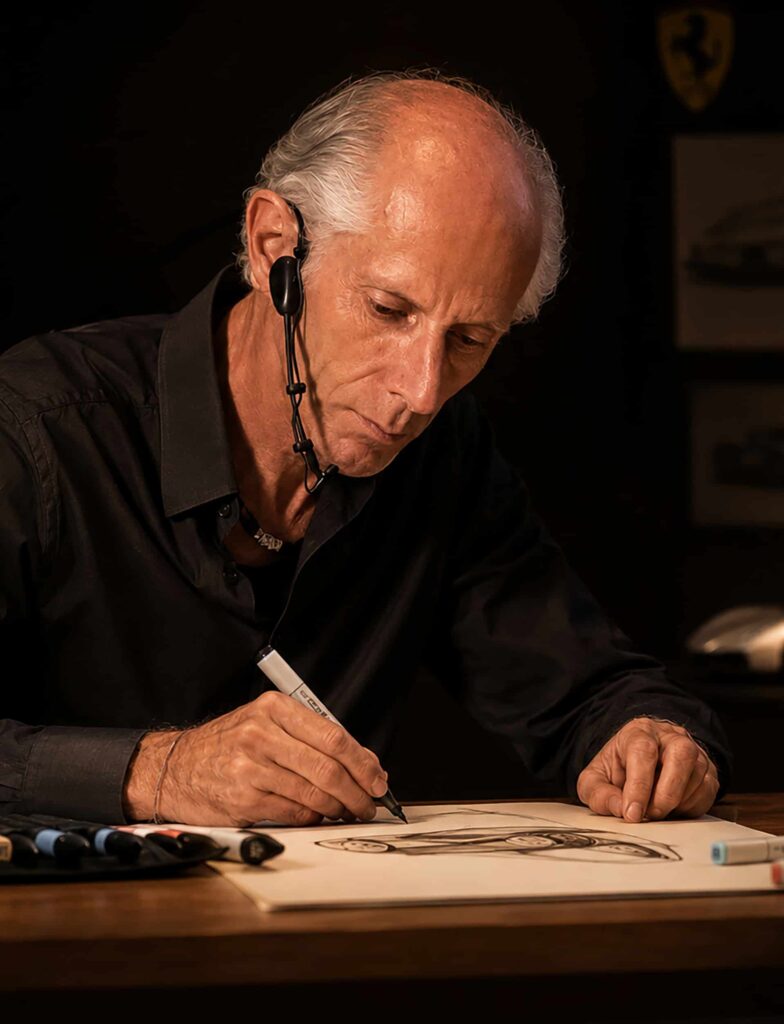
Timeless design begins with vision, taste, and the courage to choose.
For Corbi, automotive design was never simply about drawing attractive cars. It was about understanding how an idea could become a complete physical object through collaboration. His years at Pininfarina gave him the opportunity to work within a culture where designers, modelers, engineers, and craftsmen worked closely together. This environment showed him that successful automotive design is rarely the achievement of one person alone. It is the result of different skills coming together around a shared vision. For him, being part of that creative and technical culture was one of the greatest privileges of his career.
His motivation to enter automotive design came first from a love of automobiles. He was fascinated by proportions, surfaces, and the personality that a car could express. Over time, that fascination became a desire to create rather than simply admire. Ferrari became a particularly important ambition because, in his view, it represented a powerful combination of performance, technology, craftsmanship, and Italian culture. Designing a Ferrari was therefore not simply another professional opportunity. It represented the realization of a personal dream.
That experience also shaped his understanding of what it takes to build a lasting career in design. Corbi believes passion is only the beginning. Talent may open the first door, but curiosity, discipline, and the ability to accept criticism are essential for continuing to grow. This philosophy reflects an important reality of creative professions. A designer must remain open to learning, changing, questioning ideas, and improving work through feedback. For Corbi, creativity is therefore connected not only with imagination but also with discipline and continuous development.
At the heart of his design philosophy is one simple word: harmony. Corbi believes a successful car should not look like a collection of unrelated beautiful details. Proportions, surfaces, graphics, volumes, materials, and technology should all belong to the same visual language. When these elements work together successfully, the final design can feel natural and complete, almost as though there was no other possible way for the car to look.
This belief has led him toward a design language based on balance and restraint. He is attracted to designs that can communicate strongly without becoming loud or excessive. In his view, elegance comes from proportion and balance rather than from adding more decorative elements. His continued interest in classic cars also comes from this understanding. Older automobiles demonstrate how powerful a design can be without becoming complicated. For Corbi, one of the hardest decisions a designer can make is knowing what should be left out.
Technology should remain a means, not the final expression.
This principle becomes especially important as the luxury automotive industry enters a period of major transformation. Electrification, digitalization, autonomous technologies, artificial intelligence, and new manufacturing processes are changing both automotive engineering and the designer’s creative process. Corbi recognizes the importance of these developments, but he believes technology should remain a means rather than becoming the final expression of design.
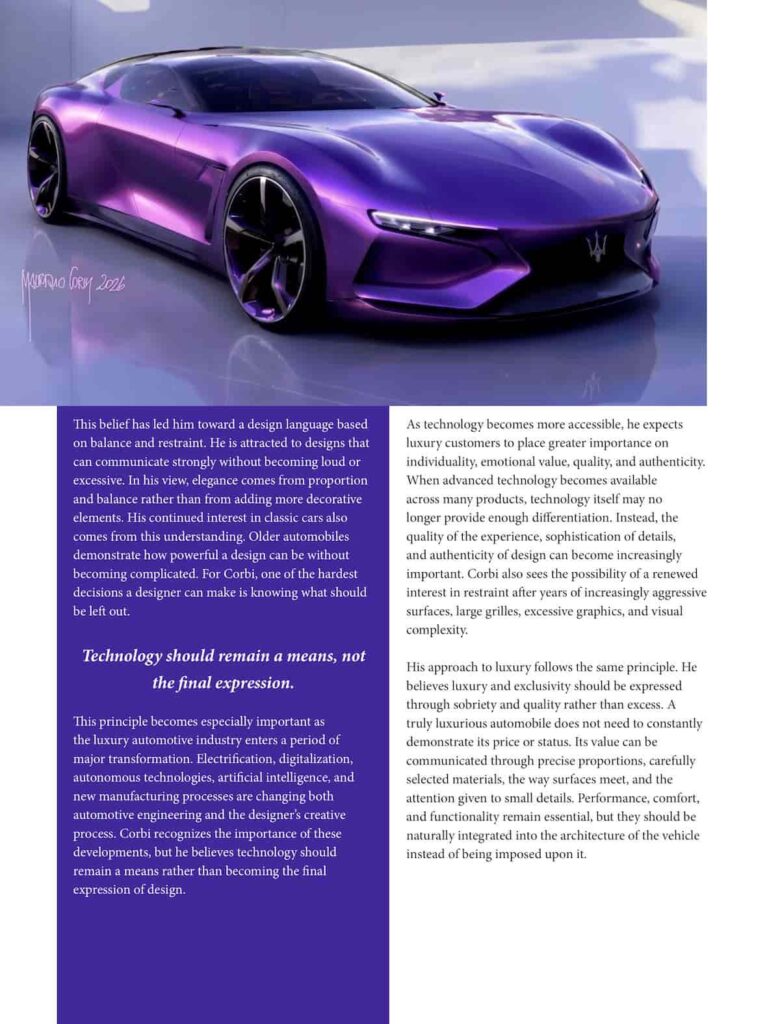
As technology becomes more accessible, he expects luxury customers to place greater importance on individuality, emotional value, quality, and authenticity. When advanced technology becomes available across many products, technology itself may no longer provide enough differentiation. Instead, the quality of the experience, sophistication of details, and authenticity of design can become increasingly important. Corbi also sees the possibility of a renewed interest in restraint after years of increasingly aggressive surfaces, large grilles, excessive graphics, and visual complexity.
His approach to luxury follows the same principle. He believes luxury and exclusivity should be expressed through sobriety and quality rather than excess. A truly luxurious automobile does not need to constantly demonstrate its price or status. Its value can be communicated through precise proportions, carefully selected materials, the way surfaces meet, and the attention given to small details. Performance, comfort, and functionality remain essential, but they should be naturally integrated into the architecture of the vehicle instead of being imposed upon it.
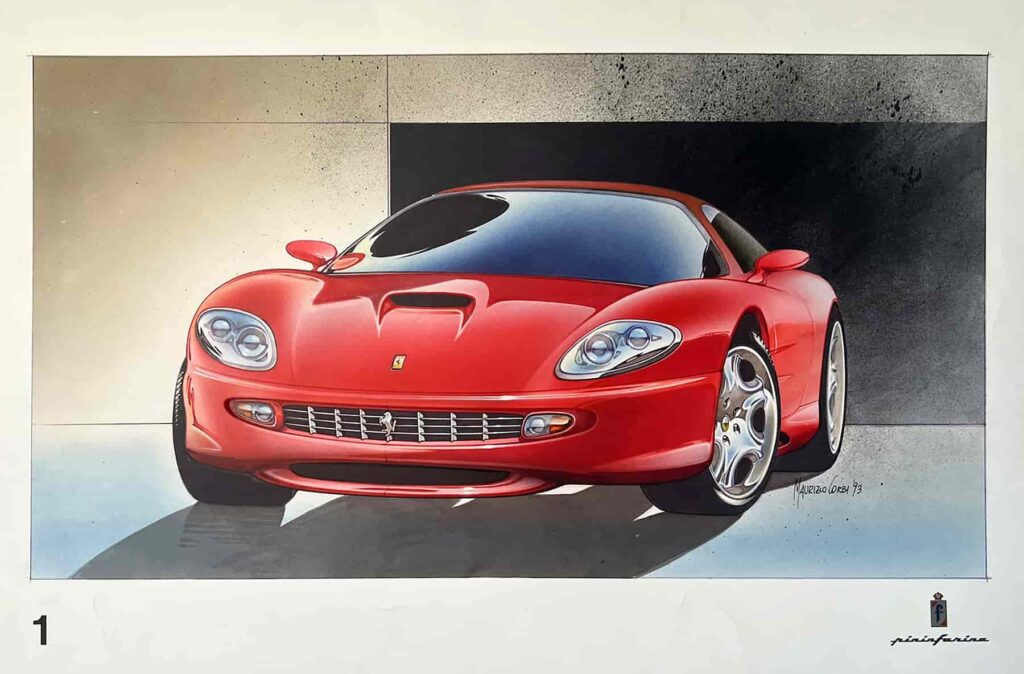
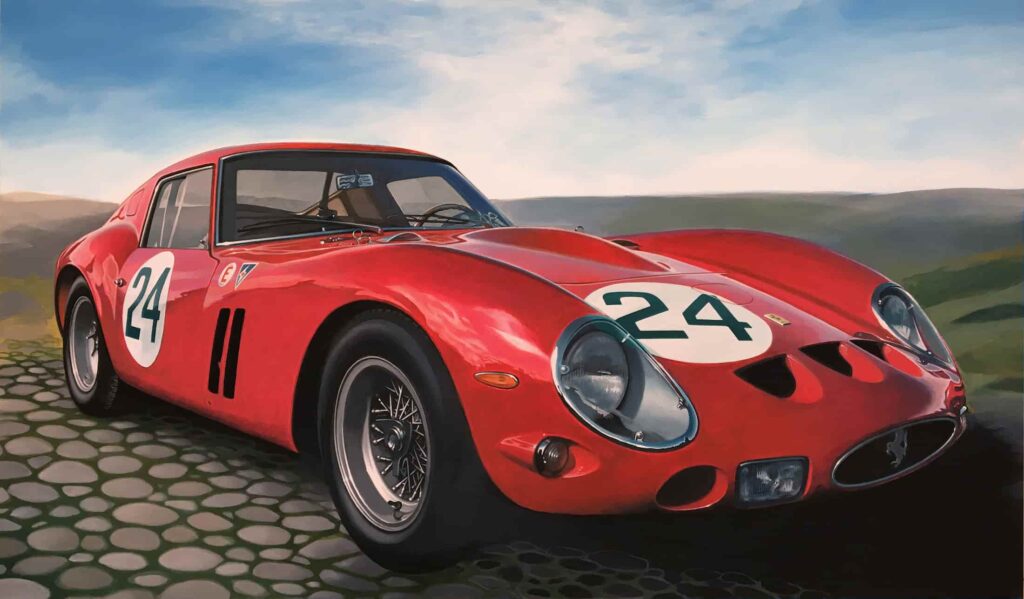
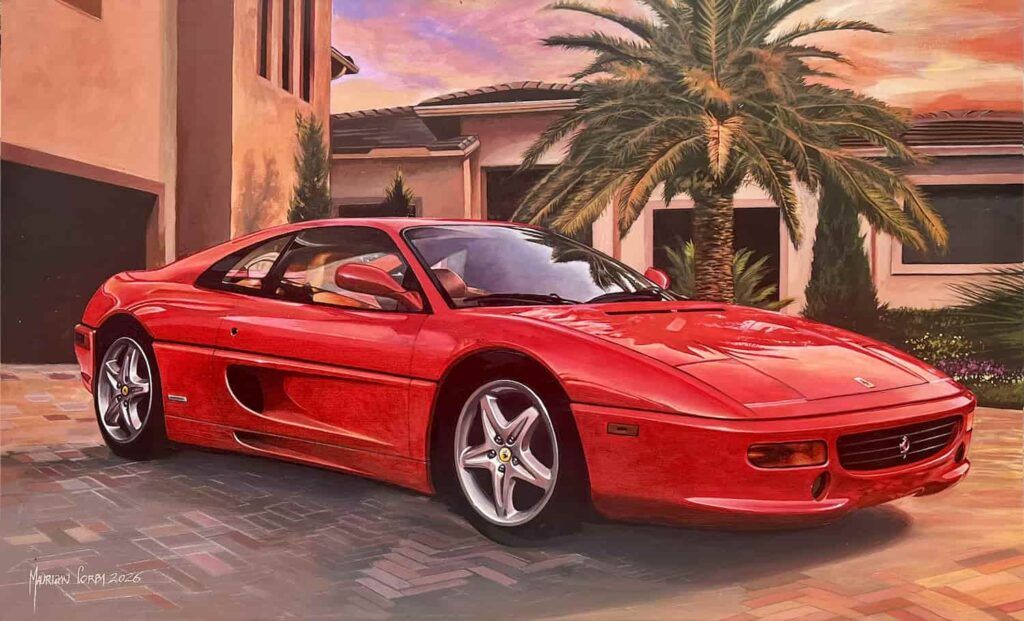
For Corbi, the ideal luxury automobile should appear simple and natural while hiding an enormous amount of research, engineering, and craftsmanship beneath that simplicity. This approach reflects his wider understanding of design: the strongest result is often the one that makes complexity look effortless. The designer’s work is not necessarily to display every technical or creative decision but to bring those decisions together into a coherent final experience.
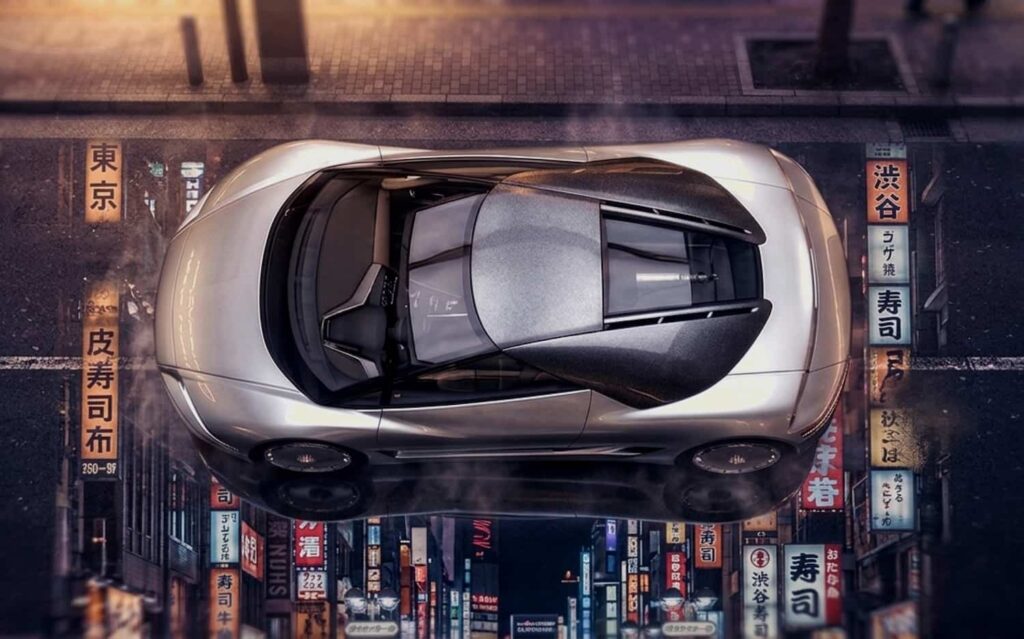
Technology has played a major role in changing Corbi’s own creative journey. When he began his career, automotive design relied heavily on paper, markers, and physical models. Later, tools such as Photoshop and digital modeling, including Alias, changed how designers developed and communicated ideas. Artificial intelligence represents the next major transformation in this continuing evolution.
Rather than seeing AI as the end of creativity, Corbi views it as a new instrument. However, he believes the most important question is not whether AI can produce an attractive image. The more important question is whether the designer has something meaningful to communicate before asking the technology to produce that image. As AI makes image generation easier and more accessible, the ability to create original ideas may become even more valuable. In this environment, designers will need to place greater emphasis on vision, culture, taste, and the ability to make thoughtful choices.
This changing relationship between human creativity and technology also influences how Corbi views sustainability. For him, sustainability should become part of the definition of luxury itself. It is not limited to electric propulsion or recycled materials. It can also involve creating objects that maintain cultural and emotional value for a long time. A beautifully designed car that remains desirable for decades, in his view, can represent a different form of sustainability from an object that becomes visually outdated after only a few years.
His perspective connects sustainability with durability, intelligent use of materials, and responsible design choices. Better materials, careful construction, long-lasting design, and the avoidance of unnecessary visual or material excess can all contribute to a more responsible approach to luxury. Instead of simply adding more technology or more elements, the future can also be about making better choices.
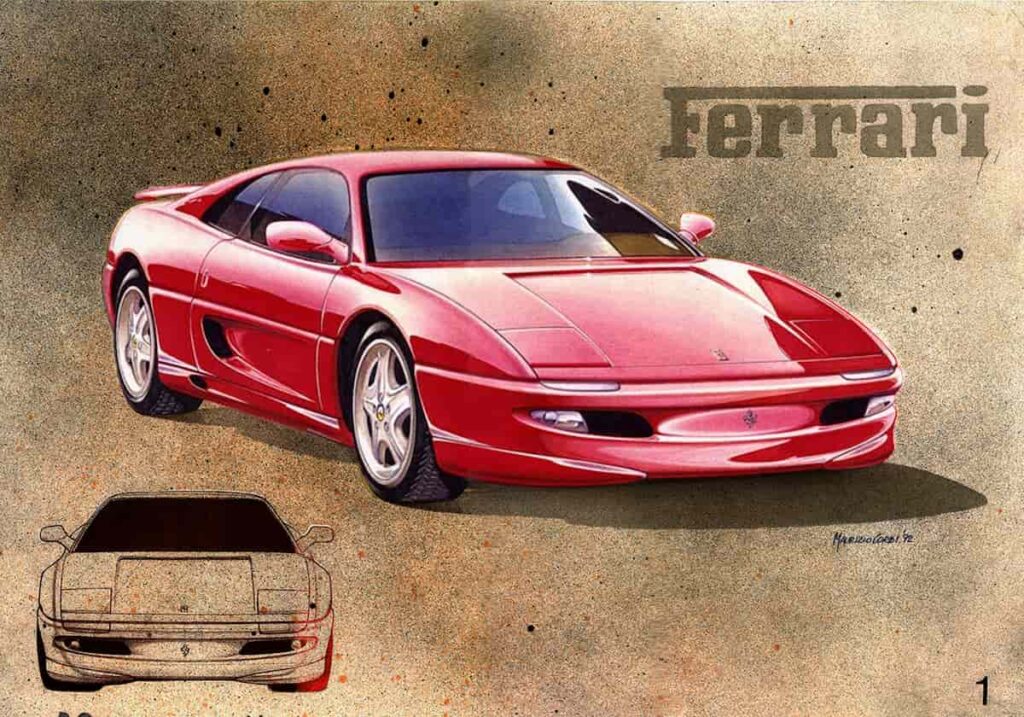
Among the projects that remain particularly meaningful to Corbi is the Ferrari F355. In 1992, Ferrari commissioned Pininfarina to undertake a major restyling of the F348. Some of Corbi’s proposals for the front and side were selected and became part of the design direction that eventually led to the F355.
Harmony is the foundation of meaningful design.
The importance of the F355 for Corbi goes beyond its commercial or historical success. What makes the project special to him is its balance. The F355 has often been regarded as an example of a restrained design that maintains continuity with Ferrari tradition. It does not depend on excessive decoration to communicate its identity. Its proportions, surfaces, and details are enough to express its character. For a designer, one of the greatest compliments is seeing a design continue to communicate many years after it was created.

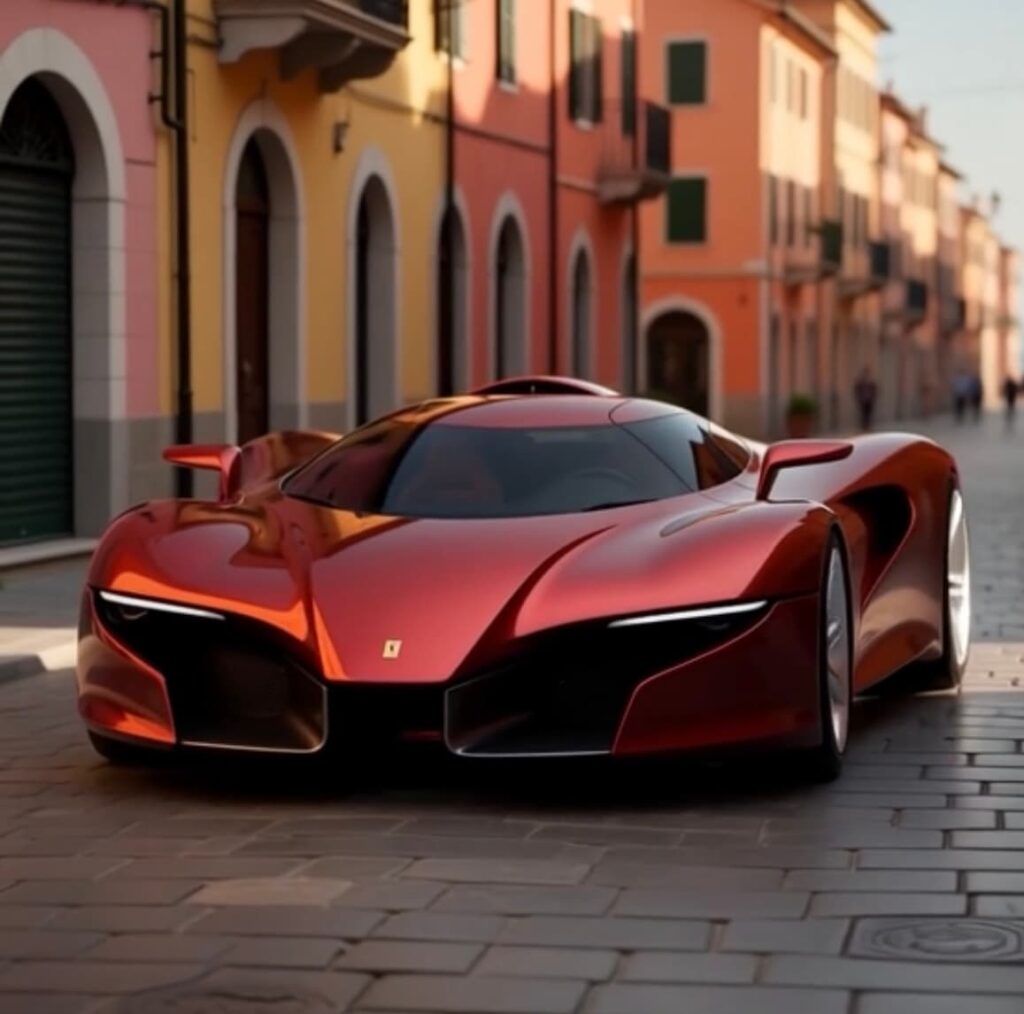
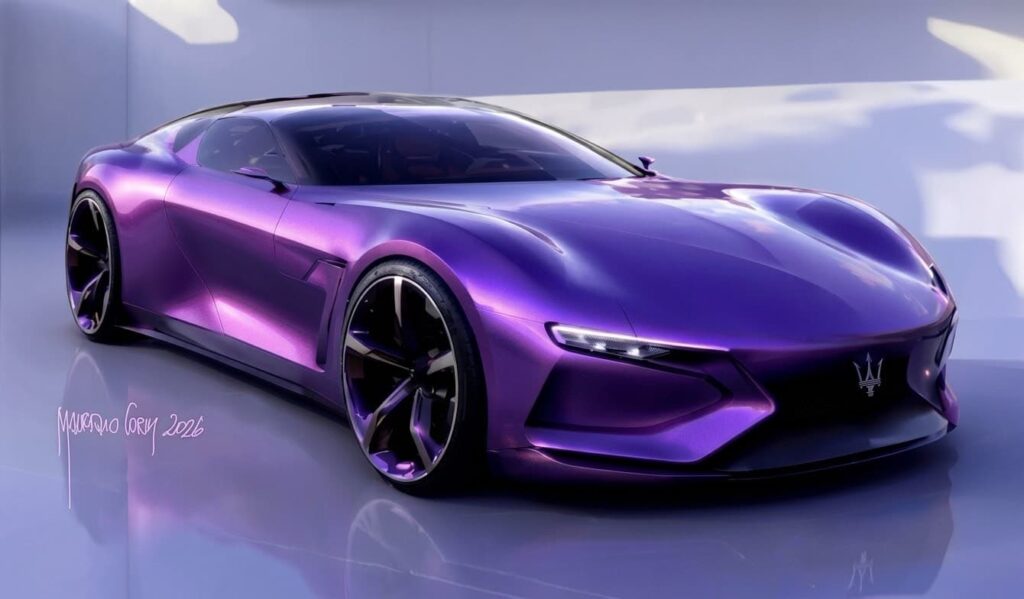
Looking toward the next five to ten years, Corbi imagines luxury automotive design moving toward greater discretion. He sees a possible reaction against the visual excess that has influenced parts of the industry, including enormous grilles, exaggerated chrome elements, complex graphics, and aggressive surfaces. Instead, future luxury vehicles could take inspiration from sophisticated interior design, with natural materials, refined textures, precise details, controlled lighting, and calmer visual environments becoming more important.
He believes this principle can also transform exterior design. Future luxury cars may become recognizable not because they are visually loud, but because their proportions and surfaces are so well resolved that they do not need to shout for attention. This idea reflects the central philosophy that has guided much of his work: true sophistication can come through balance, confidence, and restraint.
For young designers entering the industry, Corbi places strong emphasis on the importance of having an idea before having the technology. At the beginning of a project, he believes the designer is essentially alone with the initial concept. Before the team, software, AI, or other technologies become involved, there needs to be a meaningful idea, and that idea needs to come from the designer.
He also encourages young creatives not to fear AI. He sees it as an opportunity rather than simply a threat. While he expects the profession to change and acknowledges that traditional opportunities may evolve, he also believes future designers could enter studios with broader knowledge and stronger creative capabilities. The important task will not be to compete with machines in producing images. Instead, designers should develop qualities that technology does not automatically provide: personal vision, culture, taste, and the courage to make a choice.
Finally, Corbi encourages young designers to study the past. Understanding automotive history can help designers understand why certain cars have remained beautiful and relevant across generations. For him, the future of automotive design cannot be understood without understanding the design principles that have stood the test of time.
Maurizio Corbi’s career reflects a continuous relationship between passion, discipline, technology, and timeless design. From the moment a Fiat 128 introduced him to the world of automobiles as a young boy to his decades of work with Pininfarina and Ferrari, his journey has been shaped by a belief in thoughtful design. His philosophy does not reject technology or innovation. Instead, it places them within a larger creative purpose. As automotive design enters an era shaped by electrification, AI, digital tools, sustainability, and changing ideas of luxury, Corbi’s emphasis on harmony, proportion, authenticity, and restraint offers a clear perspective on the value of human creativity.
For him, the future of automotive design is not simply about creating something new. It is about creating something meaningful enough to remain relevant. In an industry where technology can rapidly change how vehicles are imagined and produced, the ability to develop a strong idea, make deliberate choices, and create an emotional connection may remain one of the most important qualities a designer can possess. His work and philosophy demonstrate that lasting design does not always need to be louder, more complex, or more technologically visible. Sometimes, its greatest strength comes from knowing exactly what is necessary and having the confidence to leave everything else behind.