
The world is experiencing one of the biggest demographic changes in history. People are living longer than ever before because of better healthcare, improved nutrition, and advances in medical technology. While this is a positive achievement, it also creates new challenges. Families, healthcare providers, and governments are looking for better ways to support older adults as they age. In 2026, senior care is no longer only about meeting medical needs. It is about helping older adults live healthier, happier, and more independent lives.
The future of senior care is being shaped by innovation, technology, and a stronger focus on dignity and compassion. New ideas are making it easier for seniors to remain active, connected, and safe while receiving the care they need. At the same time, caregivers are recognizing that emotional well-being and meaningful relationships are just as important as physical health.
One of the biggest changes in senior care is the growing preference for aging at home. Many older adults want to stay in familiar surroundings rather than move into long-term care facilities. Home-based care services are becoming more advanced, allowing seniors to receive professional support while remaining comfortable in their own homes. From nursing visits and rehabilitation services to personal assistance and meal preparation, home care is helping seniors maintain their independence for longer.
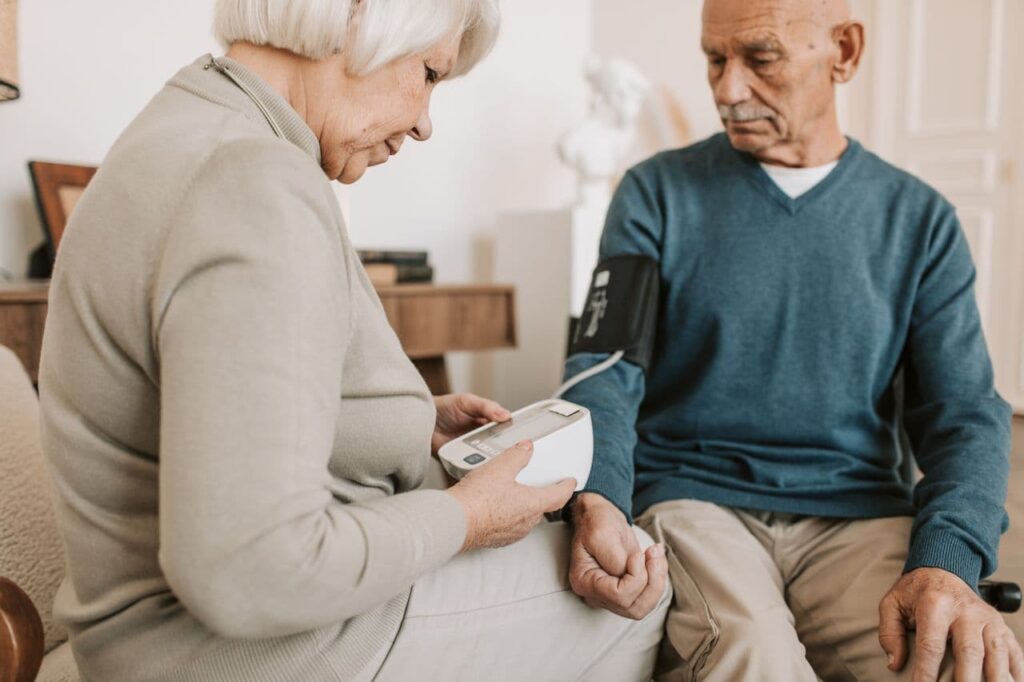
Technology is playing a major role in making home care safer and more effective. Smart home devices can detect falls, monitor movement, remind seniors to take medications, and alert caregivers if something unusual happens. Wearable health devices track heart rate, blood pressure, sleep patterns, and physical activity in real time. These tools allow healthcare professionals to identify potential health issues early and respond quickly before conditions become more serious.
Telehealth has also transformed the way seniors receive medical care. Instead of traveling long distances for routine appointments, many can now consult doctors and specialists through secure video calls. This saves time, reduces stress, and improves access to healthcare, especially for those living in rural or remote areas. Telehealth also makes it easier for family members to participate in medical discussions, helping everyone stay informed about treatment plans and health updates.
Artificial intelligence is becoming another valuable tool in senior care. AI-powered systems can analyze health data, predict potential risks, and support healthcare professionals in making informed decisions. For example, AI can identify early signs of chronic illnesses, detect changes in behavior that may indicate cognitive decline, or recommend personalized care plans based on an individual’s health history. While AI cannot replace human caregivers, it serves as a powerful assistant that improves the quality and speed of care.
Memory care is another area seeing significant progress. As the number of people living with Alzheimer’s disease and other forms of dementia continues to rise, healthcare providers are developing more personalized approaches to support cognitive health. Structured daily routines, memory-focused activities, music therapy, and sensory experiences are helping individuals maintain their abilities and improve their quality of life. Families are also receiving better education and support, enabling them to care for loved ones with greater confidence and understanding.
Mental health has become an important part of senior care. Loneliness and social isolation can have serious effects on both physical and emotional well-being. In response, senior care providers are creating more opportunities for social engagement through community programs, virtual activities, hobby groups, and volunteer initiatives. Regular interaction with family, friends, and community members helps reduce feelings of isolation while improving overall happiness and emotional resilience.
The future of senior care also places greater emphasis on preventive healthcare. Instead of only treating illnesses after they occur, healthcare professionals encourage healthy lifestyles that reduce the risk of disease. Regular exercise, balanced nutrition, preventive screenings, vaccinations, and wellness programs help seniors remain healthier for longer. Personalized fitness programs, including yoga, walking groups, and strength training, support mobility, balance, and independence while reducing the risk of falls.
Nutrition is another essential part of healthy aging. Healthcare providers now recognize that proper nutrition supports immune function, cognitive health, and energy levels. Meal plans are increasingly designed to meet individual dietary needs while considering medical conditions, personal preferences, and cultural backgrounds. Good nutrition not only improves physical health but also contributes to better mental well-being and overall quality of life.
Family caregivers continue to play a vital role in senior care. Millions of families provide daily support for aging parents, spouses, and relatives. However, caregiving can be emotionally and physically demanding. In 2026, there is greater recognition of the importance of supporting caregivers through education, counseling, respite care, and community resources. Giving caregivers the tools and support they need ultimately benefits both the caregiver and the person receiving care.
Workforce development is another priority for the future of senior care. As demand for services grows, healthcare organizations are investing in training programs that prepare caregivers with both technical knowledge and strong communication skills. Compassion, patience, empathy, and cultural understanding are becoming just as important as clinical expertise. Well-trained professionals build trust with seniors and families while delivering high-quality, person-centered care.
Senior living communities are also evolving. Modern communities now offer wellness programs, educational opportunities, fitness centers, social events, and technology-enabled healthcare services. Rather than simply providing accommodation, these communities are creating environments where older adults can remain active, pursue hobbies, build friendships, and enjoy a strong sense of purpose.
Governments and healthcare systems are recognizing that collaboration is essential to meeting the needs of an aging population. Partnerships between hospitals, home care agencies, technology companies, nonprofit organizations, and community groups are helping create more integrated care systems. By working together, these organizations can provide smoother transitions between different levels of care while ensuring seniors receive continuous support throughout their healthcare journey.
One of the most encouraging trends is the growing focus on person-centered care. Every senior has unique experiences, preferences, values, and goals. Modern care plans are becoming more personalized, allowing individuals to participate in decisions about their health and daily lives. Respecting personal choices, cultural traditions, and individual lifestyles helps preserve dignity while improving satisfaction with care.
Looking ahead, the future of senior care will continue to balance innovation with compassion. Advanced technology will make healthcare more efficient, but the human connection will always remain at the heart of quality care. Kindness, empathy, respect, and meaningful relationships cannot be replaced by machines. They are the foundation of trust between caregivers, seniors, and families.
As societies continue to age, investing in better senior care becomes an investment in everyone’s future. The goal is not simply to extend life but to improve the quality of those added years. By embracing innovation, strengthening healthcare systems, supporting caregivers, and placing older adults at the center of every decision, the future of senior care in 2026 offers new opportunities for healthier aging, greater independence, and a better quality of life for millions of people around the world.