
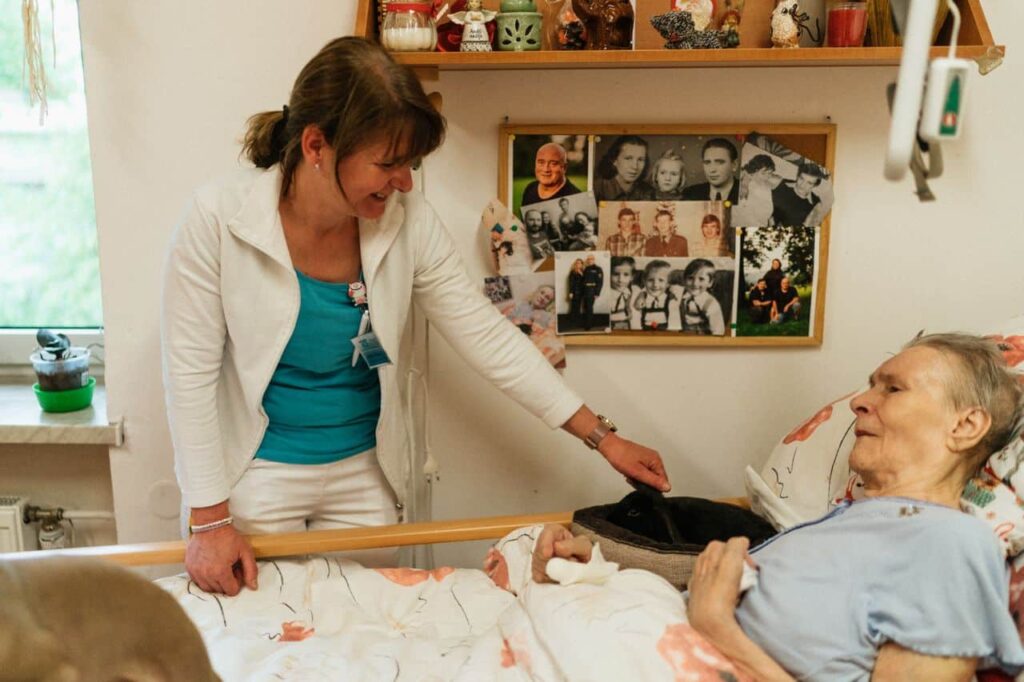
Aging is a natural part of life, and every individual deserves to grow older with dignity, respect, and the support they need to live a fulfilling life. Around the world, people are living longer due to improvements in healthcare, nutrition, and medical technology. While increased life expectancy is a remarkable achievement, it also brings new responsibilities for families, communities, healthcare providers, and governments. Supporting aging with dignity means looking beyond medical care and focusing on the overall well-being of older adults.
Today, senior care is changing. It is no longer only about treating illnesses or providing assistance with daily activities. It is about helping older adults maintain their independence, stay connected with others, and continue living with purpose. A person-centered approach is becoming the foundation of modern senior care, recognizing that every older adult has unique experiences, preferences, and goals.
One of the most important aspects of aging with dignity is respecting independence. Many seniors wish to remain in their own homes for as long as possible. Staying in familiar surroundings allows them to maintain routines, preserve cherished memories, and feel more comfortable in their daily lives. Home care services have become an essential part of supporting this goal by providing assistance with personal care, medication management, meal preparation, housekeeping, and healthcare without requiring seniors to leave their homes.
Technology is making independent living safer and more practical than ever before. Smart home systems, emergency response devices, wearable health monitors, and medication reminders help older adults manage their health while giving family members peace of mind. These tools do not replace caregivers but instead provide additional support that helps seniors remain confident and secure in their daily lives.
Healthcare also plays a vital role in preserving dignity during aging. Modern senior care focuses on preventive health rather than only responding to illness. Regular medical checkups, early screenings, vaccinations, healthy eating, and physical activity help prevent many chronic conditions or detect them early. Healthcare professionals are encouraging seniors to stay active, manage existing health conditions, and make healthy lifestyle choices that improve both physical and mental well-being.
Mental and emotional health are equally important. Many older adults experience loneliness after retirement, the loss of loved ones, or reduced social interaction. Social isolation can affect overall health and increase the risk of depression, anxiety, and cognitive decline. Supporting aging with dignity means creating opportunities for meaningful relationships and community involvement. Senior centers, hobby clubs, volunteer programs, educational activities, and social events help older adults stay engaged while building strong social connections.
Families continue to play a central role in the lives of older adults. Many family members become caregivers, providing emotional support, transportation, healthcare coordination, and daily assistance. While caregiving is often rewarding, it can also be physically and emotionally demanding. Supporting caregivers through education, counseling, respite care, and community resources ensures they can continue providing quality care while maintaining their own well-being.
Respectful communication is another important part of dignified aging. Older adults should always be included in conversations about their health, finances, living arrangements, and future plans whenever possible. Listening carefully to their opinions and involving them in decision-making helps preserve their independence and self-respect. Every person deserves to have their voice heard regardless of age or health condition.
As the number of people living with dementia continues to grow, compassionate memory care has become increasingly important. Dementia affects memory, thinking, and communication, but individuals living with these conditions still deserve respect, understanding, and meaningful relationships. Specialized care programs, familiar routines, cognitive activities, music therapy, and supportive environments help improve quality of life while reducing stress for both individuals and their families.
Senior living communities are also evolving to better support dignity and independence. Today’s communities offer much more than housing. Many provide wellness programs, fitness classes, educational opportunities, cultural events, healthcare services, and recreational activities. These communities encourage social interaction while allowing residents to maintain active and purposeful lifestyles. The goal is not simply to care for older adults but to help them continue enjoying life.
Healthcare professionals are placing greater emphasis on personalized care plans. Every older adult has different health needs, cultural values, life experiences, and personal preferences. Person-centered care recognizes these differences and tailors support accordingly. Instead of using a one-size-fits-all approach, caregivers work closely with seniors and their families to create care plans that reflect individual goals and priorities.
Nutrition is another key factor in healthy aging. A balanced diet supports stronger immunity, better energy levels, improved cognitive function, and overall health. Healthcare providers increasingly recommend personalized nutrition plans that consider medical conditions, dietary restrictions, and personal preferences. Proper hydration and balanced meals can significantly improve both physical and emotional well-being.
Physical activity also contributes greatly to aging with dignity. Regular exercise helps maintain strength, flexibility, balance, and cardiovascular health. Activities such as walking, swimming, yoga, stretching, and light strength training allow older adults to remain mobile and independent while reducing the risk of falls and injuries. Exercise also improves mood and supports better mental health.
Communities have an important role in creating age-friendly environments. Safe public transportation, accessible buildings, parks, healthcare facilities, and community centers make it easier for seniors to participate in daily life. Inclusive communities encourage older adults to remain active, volunteer, mentor younger generations, and continue contributing their knowledge and experience to society.
Workforce development is becoming increasingly important as demand for senior care continues to grow. Caregivers require both technical knowledge and strong interpersonal skills. Compassion, patience, empathy, communication, and cultural sensitivity are essential qualities for anyone working with older adults. Ongoing education helps caregivers provide higher-quality, more respectful, and more personalized care.
Innovation continues to improve senior care, but technology alone cannot define dignity. Artificial intelligence, remote monitoring, electronic health records, and telehealth services make healthcare more efficient and accessible. However, genuine compassion, kindness, and human connection remain at the heart of exceptional care. A simple conversation, a listening ear, or a caring smile often has as much impact as advanced medical technology.
Governments, healthcare organizations, nonprofit groups, and private companies are increasingly working together to prepare for aging populations. Investment in home care, caregiver support, community services, preventive healthcare, and accessible housing will help create sustainable senior care systems for the future. Public awareness campaigns are also encouraging society to value older adults and recognize the important contributions they continue to make.
Supporting aging with dignity is ultimately about respecting every stage of life. It means recognizing that growing older should never reduce a person’s value, independence, or ability to contribute to society. Every older adult deserves access to quality healthcare, emotional support, safe living environments, meaningful relationships, and opportunities to continue pursuing their interests and passions.
As the global population continues to age, building compassionate, inclusive, and person-centered senior care systems will become more important than ever. By combining innovation with empathy, strengthening support for caregivers, and placing dignity at the center of every decision, societies can ensure that older adults enjoy not only longer lives but also healthier, happier, and more meaningful ones. Supporting aging with dignity is not simply a responsibility—it is a reflection of the values that define a caring and compassionate society.