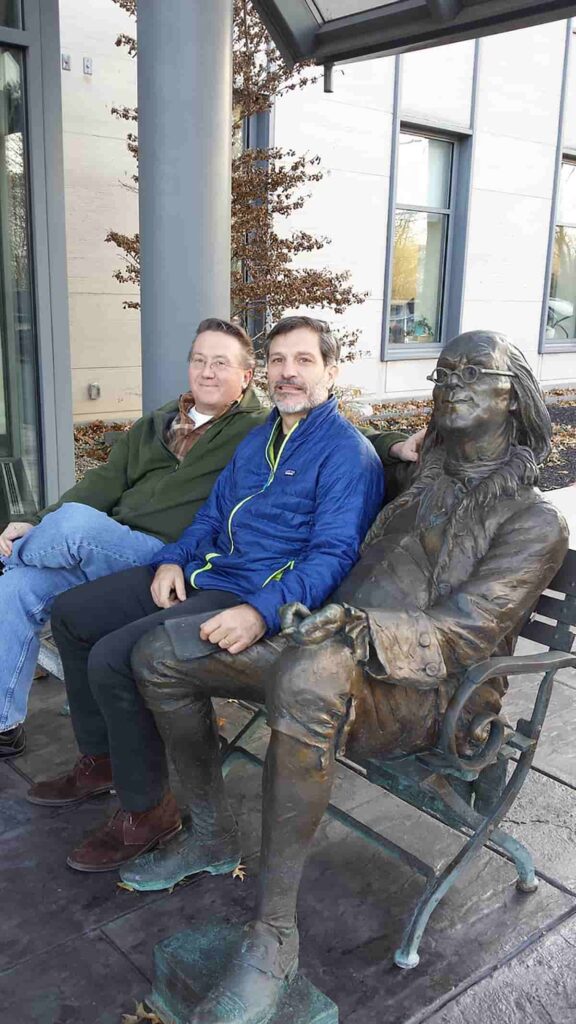
Robert Alonso
CEO & Founder
Mitochon Pharmaceuticals, Inc.
With more than 30 years of experience in the pharmaceutical industry, Robert Alonso has built a career around turning scientific ideas into meaningful healthcare companies. His journey to becoming a CEO began at Hoffmann-La Roche in Switzerland, where he was recruited from business school to join the company’s international management program. His five years at Roche gave him valuable exposure to the pharmaceutical business and provided a strong foundation for the leadership responsibilities that would follow.
CIO Global is pleased to spotlight Robert Alonso in this edition, celebrating a notable contribution to leadership, innovation, and industry progress.
After his time at Roche, Alonso returned to the US and joined Merck, where he led marketing for its antibiotic franchise. He later moved into Merck’s Business Development and Licensing group, a role that brought him closer to smaller biotechnology companies and emerging scientific opportunities. These experiences at Merck helped him understand how different parts of the pharmaceutical industry work together, from commercial strategy and business development to scientific research and clinical development.
Success means advancing science that can ultimately help patients.
His work with smaller biotechnology companies eventually opened the door to an emerging biotech company focused on neuronal stem cells. Although that company ultimately failed, Alonso considers the experience an important part of his development as an entrepreneur. It taught him valuable lessons about the challenges of building a biotechnology company and gave him the confidence to take a bigger step. In 2002, he founded Yaupon Therapeutics that later became known as Ceptaris Therapeutics and became its founding CEO.
Yaupon began with Alonso and two university professors and grew into a successful biotechnology company with a Phase 3 program for cutaneous lymphoma. After more than a decade of development, the company received FDA approval for Valchlor and was sold in 2013. The achievement became a major milestone in Alonso’s career. More importantly, the experience gave him the freedom and confidence to pursue scientific opportunities that carried greater risk but also had the potential to make a significant difference to patients.
In 2014, Alonso founded Mitochon Pharmaceuticals with scientist and co-founder John Geilser, PhD. The company focuses on neurodegenerative diseases, including amyotrophic lateral sclerosis (ALS), Huntington’s disease, Alzheimer’s disease, and Parkinson’s disease. At the center of Mitochon’s work is a platform designed to restore mitochondrial health. Alonso believes mitochondria have been overlooked as a possible early driver of disease progression in neurological conditions. Early results from the company’s work in ALS have strengthened his belief that mitochondrial health could represent an important disease-modifying target.
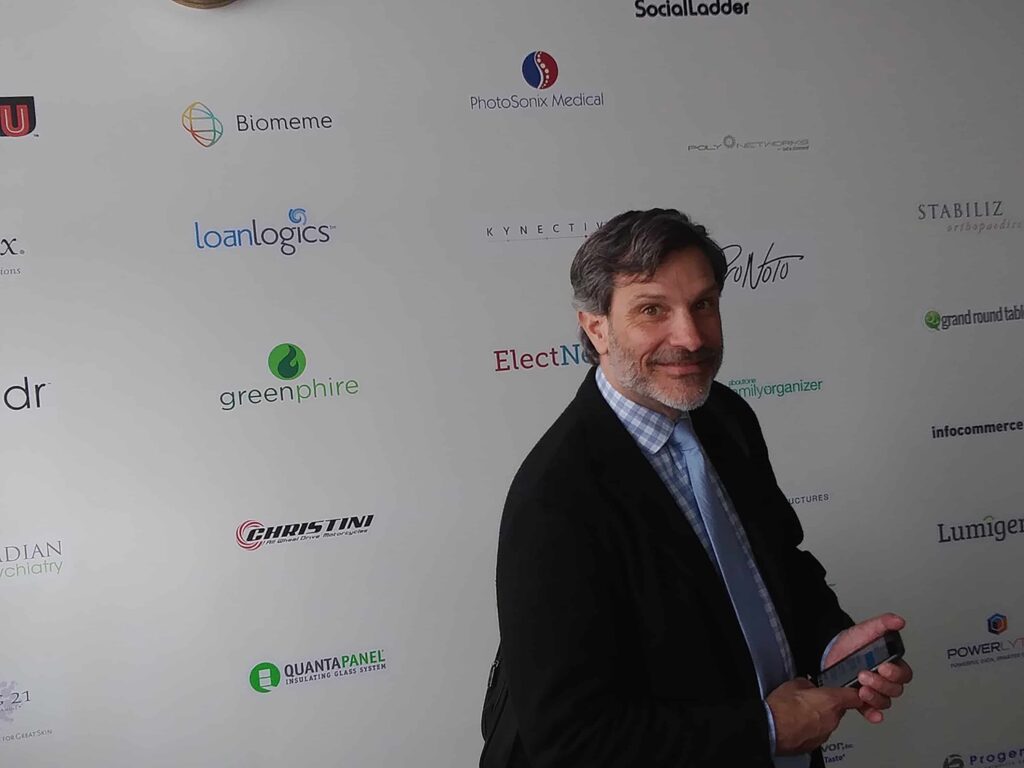
For Alonso, leadership has always been closely connected to entrepreneurship. He has long been interested in taking ideas and developing them into meaningful organizations. His transition from large pharmaceutical companies such as Merck to a small biotech startup was a major change, but it also gave him a broader understanding of the pharmaceutical business. Working in a small company required him to become familiar with almost every part of drug development, from chemistry and research to clinical development and business strategy.
His approach to leadership is straightforward and closely connected to the purpose of the work. Mitochon is a small team, but Alonso believes motivation comes naturally when people are working on diseases that have a serious impact on patients and their families. The opportunity to contribute to treatments for conditions such as ALS creates a strong sense of purpose and encourages people to take responsibility for the company’s mission.
Financing remains one of the biggest challenges for Mitochon and the wider biotechnology industry. Drug development involves significant scientific and financial risk, while commercial products can take many years to reach the market. Companies therefore need multiple rounds of investment, and each stage of development brings considerable pressure to deliver results. Alonso recognizes that there is little room for mistakes in such an environment, making disciplined decision-making and continued progress essential.
Mitochondrial health could become an important target in neurology.
Mitochon’s immediate focus is clear. During 2026, the company is working to finalize plans for a robust Phase 2 study in patients with sporadic ALS, with the goal of completing the study by the end of 2027. Alonso also aims to raise a new round of investment and work with the Healey Center at Massachusetts General Hospital to conduct the study. If successful, the research could provide important evidence for the company’s mitochondrial approach to ALS.
One of Mitochon’s recent milestones has been recognition from the ALS Association, one of the leading organizations dedicated to fighting ALS. The company received the prestigious $1 million Hoffman award to support the Phase 2 study. For Alonso and his team, the recognition was both an honor and a strong sign of confidence in the potential of their program.
Alonso believes a strong company culture begins with a shared purpose. In drug development, he finds that it is easier to attract people who genuinely care about making a difference. The company’s early-stage, bootstrap story also encourages people to become involved, take ownership, and keep moving forward despite challenges. For Alonso, this culture is strongly shaped by the founders and the vision they establish from the beginning.
His advice to aspiring entrepreneurs and future CEOs is simple: work hard and keep moving forward. He describes entrepreneurship as a roller coaster, with both difficult setbacks and rewarding successes. Staying focused, continuing to make progress, and refusing to give up are, in his view, essential qualities for anyone building a company.
Looking ahead, Alonso hopes Mitochon can contribute to a major change in how neurological diseases are understood and treated. If the company’s approach proves successful, he believes mitochondrial medicines could take a leading role in neurology. For Alonso, achieving that shift would mean more than business success. It would represent the fulfilment of the company’s purpose: advancing new treatments and helping people living with devastating neurodegenerative diseases.
Keep moving forward, even when the path is difficult.