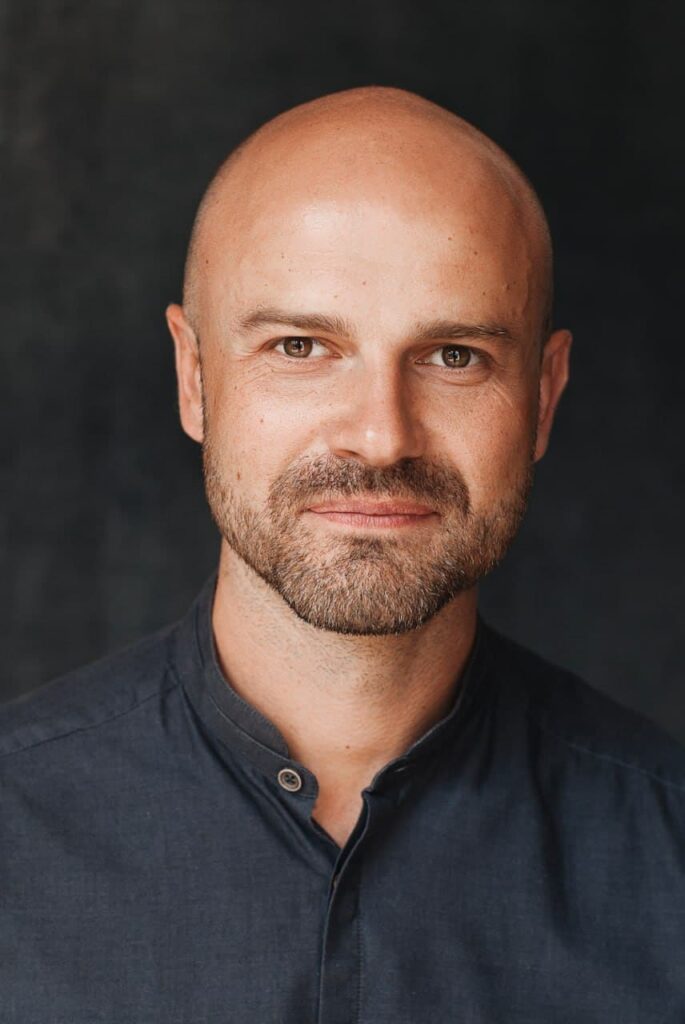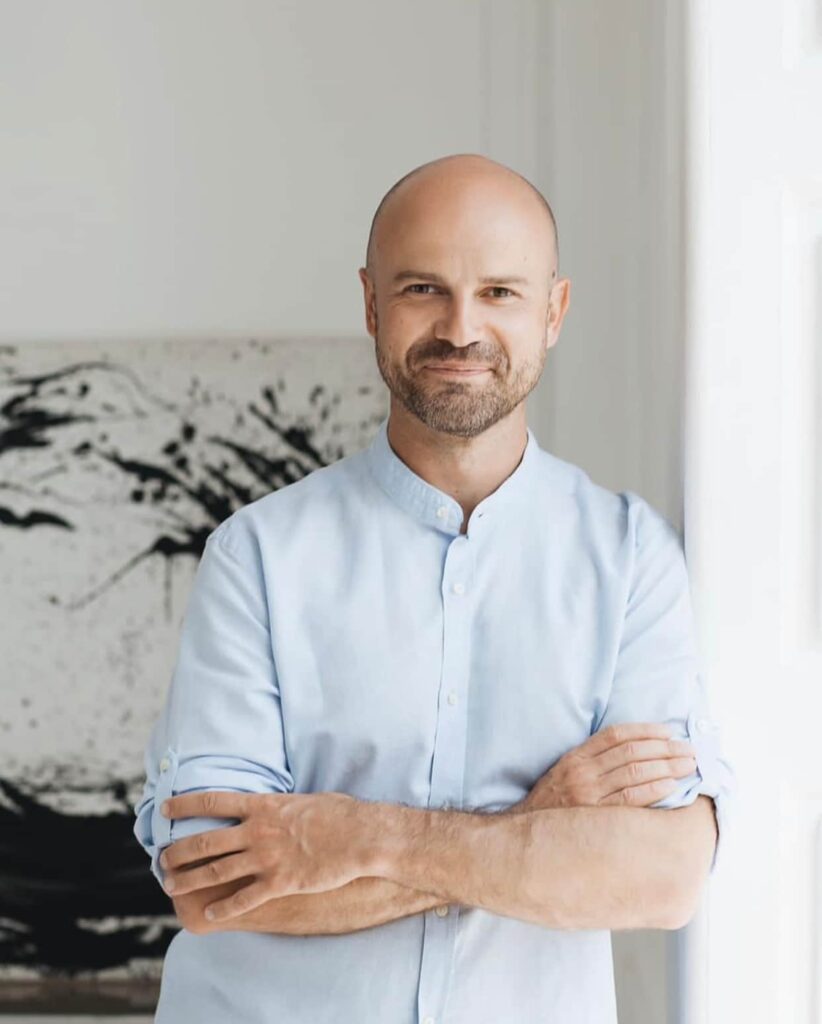
Artem Mazur
Founder & CEO
Kids of Ukraine
Artem Mazur’s journey as a leader has been shaped by entrepreneurship, international business, law, and, most importantly, a strong sense of responsibility. His first experience as a CEO came through his own law firm, where he learned what it meant to build a team, launch projects, make decisions, and take responsibility for results. Later, he became CEO of an international IT company and managed businesses across different jurisdictions. These experiences prepared him for a very different kind of leadership when Russia’s full-scale invasion of Ukraine began in 2022.
CIO Global is proud to feature Artem Mazur in this edition, recognizing their exceptional leadership and contributions.
Soon after the invasion started, Artem and several friends founded Kids of Ukraine Foundation to support children and teenagers affected by the war. As roles were being assigned, he accepted the position of CEO. What began as an urgent response to an unprecedented crisis gradually became an international nonprofit organization operating through entities in Ukraine, the United Kingdom, and the United States.
Artem’s decision to lead the organization became even clearer during the first days of the invasion. As a reserve officer, he went to the military registration and enlistment office on the fifth day of the war. When asked about his combat experience, he admitted that he had none. After explaining that he had helped establish a charitable organization for children and families affected by the war, he was encouraged to return to that mission. The experience made Artem understand that his strongest contribution could come from using his business and management skills to help children.
Technology should empower people, not replace human connection.
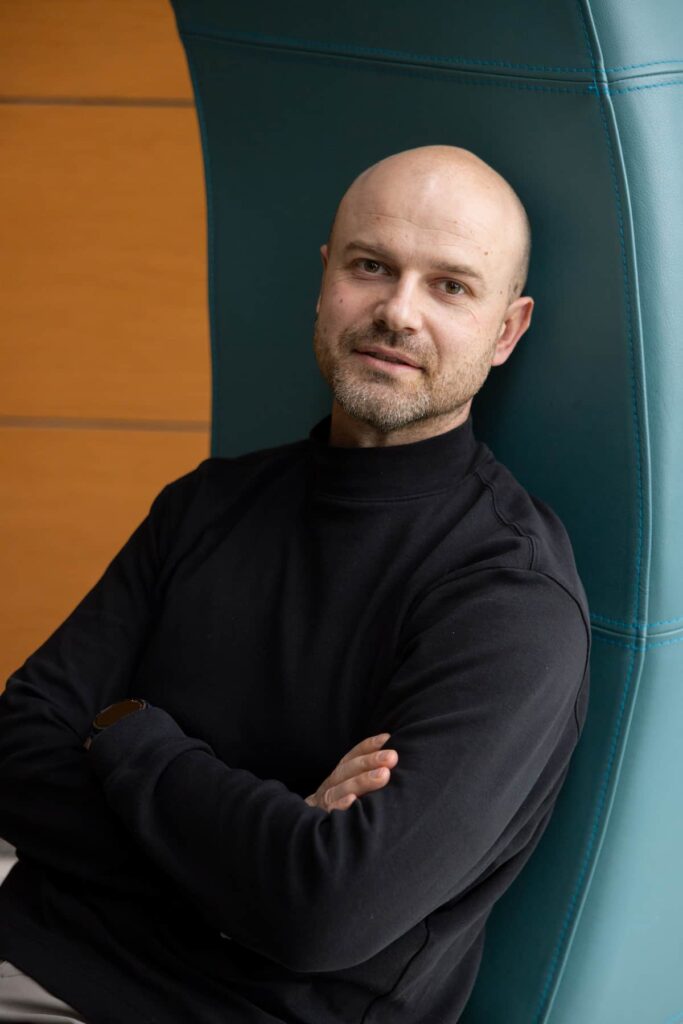
When his original partners eventually had to return to their businesses and personal responsibilities, Artem faced a difficult choice: take full responsibility for Kids of Ukraine or allow the initiative to disappear. He chose to continue. More than four years later, that decision has helped shape an organization that has supported thousands of children through psychosocial programs, education, career guidance, recovery initiatives, and family support.
Today, one of Artem’s biggest priorities is sustainability. For him, supporting children during wartime cannot depend only on short-term projects or temporary funding. Children and families need to know that professional psychological support, education, and development programs will remain available for years. Kids of Ukraine is therefore working to secure long-term grants, strengthen relationships with businesses and international partners, and expand its reach.
The organization has established four psychosocial support and after-school education centers and has conducted recovery programs in the Carpathians. In 2026, it brought 100 children from its centers together for a summer recovery program. Its three-year development plan includes opening four additional centers and reaching between 3,000 and 5,000 children. The organization also hopes to establish a recovery center in the Carpathians that can serve children during the war and continue supporting communities after the war ends.
For Artem, leadership is built around three principles: respect, accountability, and trust. Respect means understanding the reality people are living through. When team members have spent the night in shelters because of attacks, leadership cannot simply demand that they perform as though nothing happened. At the same time, empathy does not remove accountability. Clear responsibilities, professional standards, and measurable results remain essential.
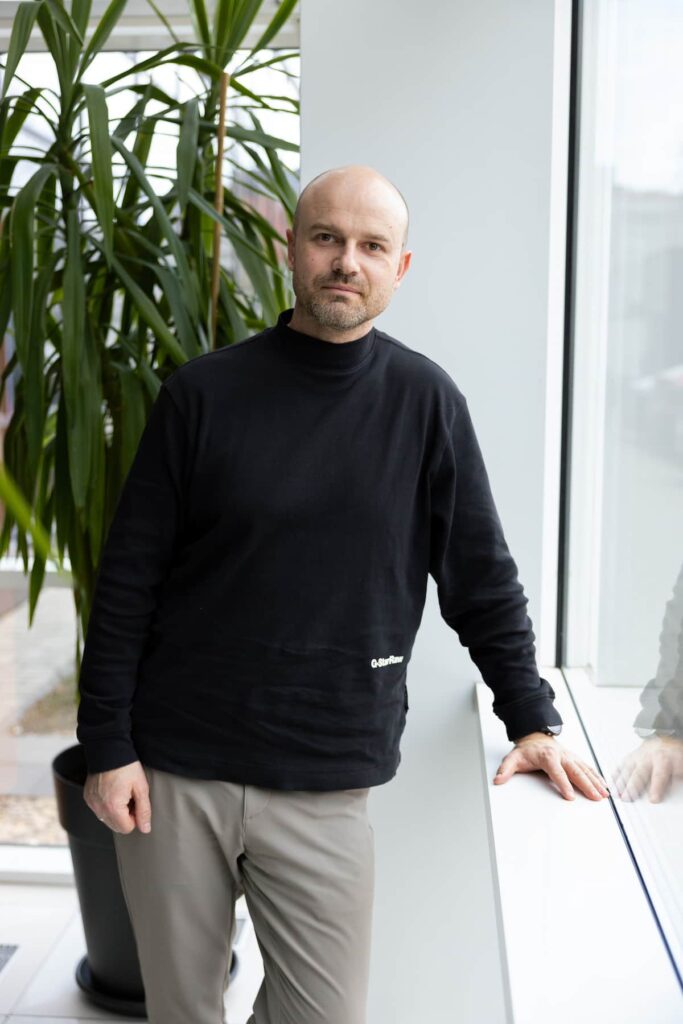
Leadership is about taking responsibility when it matters most.
Trust completes this approach. Artem gives professionals freedom within their responsibilities and expects them to take ownership of their decisions. He believes that strong organizations are built by bringing together people who are capable of doing their work well and allowing them the space to contribute.
Technology also has a growing role in Kids of Ukraine. Artem does not see artificial intelligence as a replacement for psychologists, educators, or other professionals working directly with children. Human trust and empathy remain central to the organization’s programs. However, AI is used to identify grant opportunities, analyze information, generate ideas, support fundraising and finance teams, and improve internal processes. Tools such as ChatGPT, Claude, and Gemini are helping employees work more efficiently.
Data is equally important. The organization tracks participation, psychological sessions, consultations, educational activities, and program outcomes. Monitoring and evaluation help the team understand not simply how many activities were delivered, but whether those activities created meaningful improvements in children’s lives. Independent evaluation and future auditing are part of Artem’s broader effort to strengthen transparency and institutional maturity.
He also places strong emphasis on organizational culture. People should understand that their own well-being comes first, followed by family and then the organization. In a country experiencing constant uncertainty, leaders must create opportunities for employees to recover while maintaining professional standards. One-to-one meetings, HR support, team activities, training, and clear KPIs help balance well-being with accountability.
Artem’s experience also shapes his advice to entrepreneurs. He believes founders should understand the problem they are solving, test their ideas before launching, listen to critical feedback, and surround themselves with people who are stronger in their areas of expertise. His legal background also leads him to emphasize clear partnership agreements. Roles, investments, ownership, decision-making, and exit arrangements should be discussed before problems arise.
Looking ahead, Artem knows that long-term planning is difficult during a war, but he believes planning remains necessary. Kids of Ukraine aims to expand its centers, reach thousands more children, develop its own recovery facility, and eventually establish a training center that can share its experience with other organizations.
The war may determine the circumstances in which Kids of Ukraine operates, but it does not define the limits of its ambition. For Artem, children cannot wait for peace before receiving psychological support, education, and opportunities. His leadership is therefore focused on building an organization that can continue serving them today while creating the foundations for a stronger future.
Children cannot wait for the war to end to build their future.