
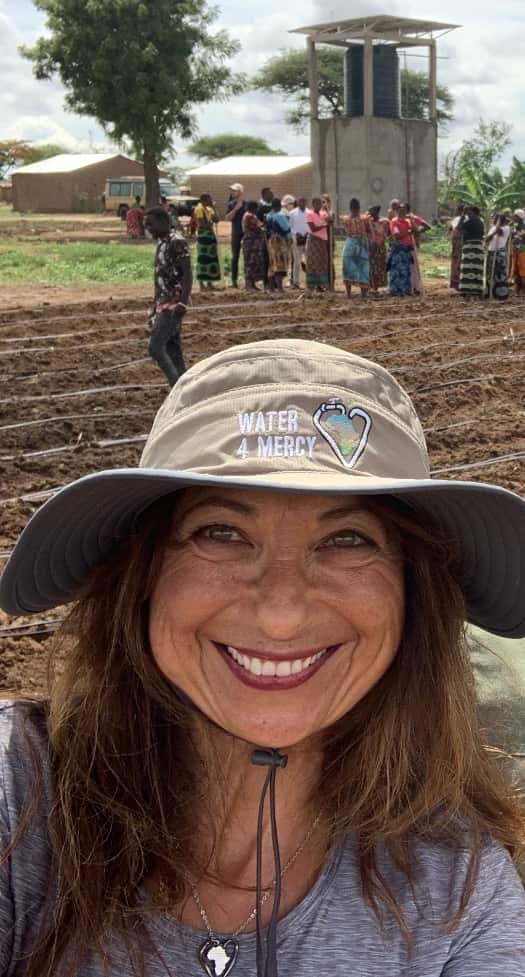
Nermine Khouzam Rubin
Founder & CEO
Water 4 Mercy
For Nermine Khouzam Rubin, leadership is rooted in service, dignity, and the belief that lasting change must empower people to shape their own futures. As the Founder and CEO of Water 4 Mercy, she leads a nonprofit focused on ending thirst, hunger, and poverty in Africa through sustainable access to clean water, modern agriculture, education, and community empowerment. Her journey toward this mission began far from the communities she serves today. Born in Port Said, Egypt, Nermine later immigrated to the United States, where the opportunities she received shaped her professional life and her understanding of responsibility.
A defining moment came during her visit to Tanzania in 2017. There, she saw families spending their days searching for water that was often unsafe to drink. Women walked for hours carrying heavy containers, losing valuable time that could have been used for their families, businesses, or community activities. Children also missed opportunities for education because they were needed to help collect water. Nermine realized that these communities did not lack talent, determination, or hope. What they lacked was opportunity. The experience made it impossible for her to return home and continue her life without responding to what she had witnessed.
True transformation begins when we choose partnership over pity and permanence over temporary relief.
That experience became the foundation for Water 4 Mercy. Nermine established the organization with a clear purpose: to move beyond temporary relief and help communities become self-sufficient. Water 4 Mercy developed a holistic approach that combines solar-powered water systems, modern agricultural technology, education, training, and community ownership. To date, the organization has improved the lives of more than 108,600 people across Africa, bringing clean water and nutritious food to 39 communities. It has also provided agricultural technology and training to more than 12,800 farmers and 450 students through its Agricultural Innovation and Technology Center, known as AITeC.
For Nermine, the true measure of success is not the number of projects completed or awards received. It is the visible transformation within the communities. She recalls returning to villages years after installing solar-powered water systems and drip-irrigation farms and seeing conditions that were completely different from those she first encountered. Where women and children once spent hours searching for contaminated water, clean water now flows from taps. Where children once missed school, they can attend classrooms. Fields that were once idle can produce nutritious crops, while trained farmers manage their systems, feed their families, and generate income.
This approach reflects Nermine’s understanding of leadership. She believes leadership is not defined by a title or recognition but by the willingness to accept responsibility when there is an opportunity to make a difference. Her experience also taught her that sustainable development requires humility. Early challenges showed that projects could fail when communities did not receive enough training, when maintenance was not locally managed, or when agricultural systems lacked the right knowledge and resources. Water 4 Mercy responded by strengthening local training, introducing remote monitoring, and building deeper partnerships with communities.
The greatest impact is not what we give, but what communities are empowered to become.
The organization’s model now combines reliable technology with local knowledge and ownership. Solar-powered water systems are remotely monitored in real time, helping identify maintenance needs before they become major failures. Drip irrigation allows farmers to use water efficiently while producing nutritious crops throughout the year. Through AITeC and partnerships with Don Bosco Technical Institutes, farmers, teachers, and young people receive training that allows knowledge to remain within the community. For Nermine, technology is most powerful when it is paired with education, accountability, and local leadership.
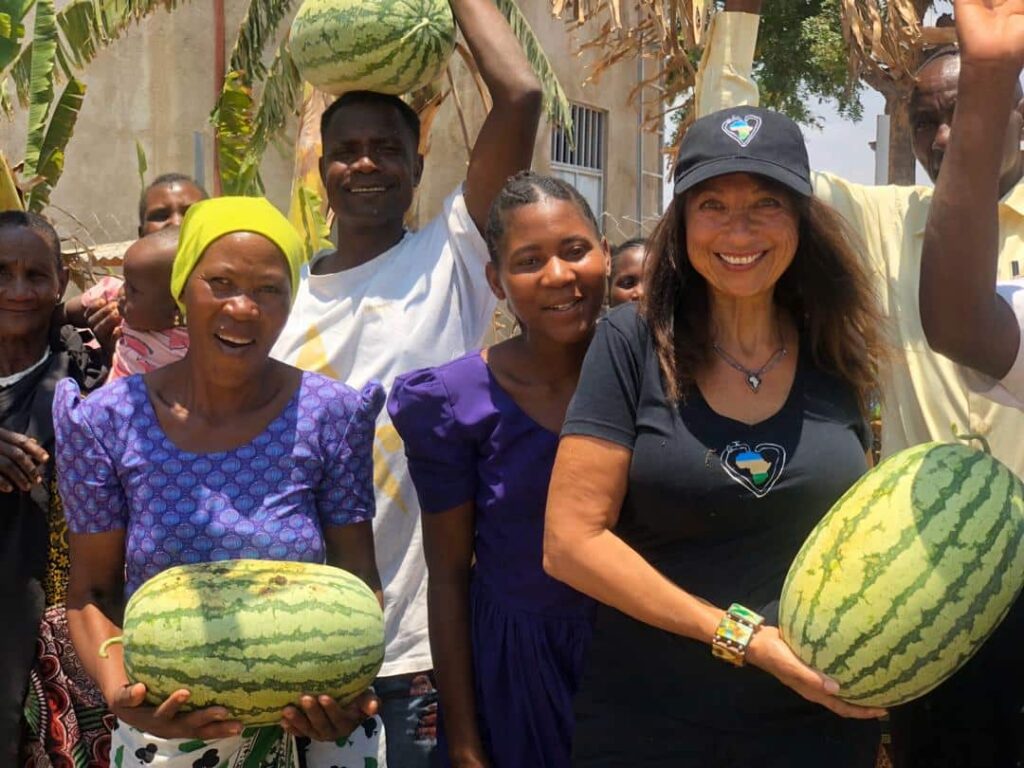
This is what true leadership looks like. Transferring knowledge, building local expertise, and preparing the next generation to lead. One example is Nyaboke Naom Nyamasenge, known as Nya, who graduated from AITeC Farm in February 2026 after earning a Bachelor of Science in Horticulture from Jomo Kenyatta University of Agriculture and Technology. Today, Nya serves as an agronomist with the Sisters of Mount Carmel, where she manages the farm and provides agronomic support to the local team. Her journey demonstrates the lasting impact of AITeC.
Her leadership values are equally clear. Dignity is non-negotiable, while accountability and transparency are essential to building trust with both donors and communities. She believes in servant leadership and sees her role as serving the mission rather than being served by it. Collaboration with local partners, innovators, faith communities, and African technical institutes helps ensure that solutions remain relevant to the people who use them. Most importantly, she believes that successful projects should eventually become independent of Water 4 Mercy. If a community still depends on the organization years later, she does not consider that the ultimate measure of success.
Nermine also sees significant opportunities across Africa, particularly in agriculture, renewable energy, water management, and local entrepreneurship. She believes young Africans trained in modern agronomy, solar systems, and water management can become the next generation of problem-solvers. Businesses and leaders can contribute by investing in sustainable infrastructure, supporting local ownership, and creating value chains that allow farmers to sell surplus production. Rather than approaching Africa through the idea of simply helping, she encourages leaders to work alongside African communities as partners in building resilient futures.
Her approach to leadership extends to her team and personal life. Nermine motivates people by demonstrating humility, accountability, and commitment to lasting results. She celebrates local water committees and women who become trainers because their work demonstrates what sustainable empowerment can achieve. At home, her husband, children, and parents have supported her journey and strengthened her commitment to service. She maintains balance through prayer, family, and staying connected to the purpose behind her work.
Looking ahead, Nermine wants Water 4 Mercy to expand its proven model into more communities and countries while maintaining community leadership and financial transparency. Her greatest ambition is not to make the organization indispensable, but to make it unnecessary in the communities it serves because those communities have become self-sufficient and capable of helping others.
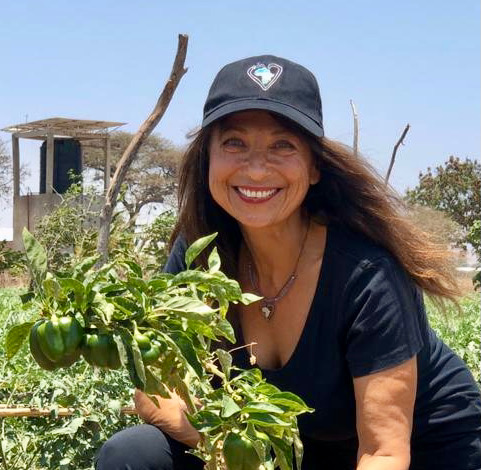
As one of the 10 Distinguished Leaders Making an Impact in Africa, 2026, Nermine represents a form of leadership built on action, compassion, and permanence. Her work demonstrates that sustainable development is not simply about providing resources. It is about creating the conditions for people to use their own abilities, knowledge, and determination to build better lives. For Nermine, the greatest impact is not what an organization gives to a community, but what that community becomes empowered to achieve for itself.
Leadership is not about recognition; it is about accepting responsibility when you have the ability to make a difference.