For a long time, society has placed a strong emphasis on a woman’s past. Her experiences, mistakes, struggles, and circumstances are often used to define who she is and what she is capable of becoming. Labels are assigned, expectations are set, and limitations are quietly imposed. However, this perspective is not only outdated but also deeply limiting. Women are not defined by their past experiences. Instead, they have the power to design a life that feels aligned, joyful, and meaningful.
Every woman carries a unique story. Some stories are filled with success and support, while others are marked by challenges, setbacks, or even pain. Yet, these experiences do not have to dictate the future. The past may shape awareness, but it does not control destiny. True growth begins when a woman recognizes that her identity is not fixed. It is something she can continuously redefine.
One of the most powerful shifts a woman can make is moving from a mindset of limitation to one of possibility. When she stops seeing her past as a barrier and starts viewing it as a source of learning, everything changes. Challenges become lessons. Failures become stepping stones. Even difficult experiences can provide clarity about what she truly wants and what she no longer accepts.
Designing a meaningful life begins with self-awareness. It requires a woman to pause and reflect on her values, desires, and purpose. What truly matters to her? What brings her joy? What kind of life does she want to create? These questions are essential because they shift the focus from external expectations to internal alignment. When decisions are made based on personal values rather than societal pressure, life begins to feel more authentic.
Alignment is a key element in creating a fulfilling life. It means that a woman’s actions, choices, and environment reflect who she truly is. When there is alignment, there is less confusion and more clarity. There is less stress and more peace. Living in alignment does not mean everything is perfect, but it creates a sense of direction and purpose that makes challenges easier to navigate.
Joy is another important aspect of a well-designed life. Often, women are taught to prioritize responsibilities over happiness. They are expected to take care of others, meet expectations, and fulfill roles without always considering their own needs. However, joy is not a luxury. It is a necessity. A joyful life is not about constant happiness but about creating moments of fulfillment, connection, and contentment. It is about allowing oneself to experience life fully, without guilt.
Meaningfulness goes beyond surface-level success. It is not just about achievements or recognition. A meaningful life is one that feels purposeful and intentional. It is built on values, relationships, and contributions that matter. When a woman aligns her life with what is truly important to her, she creates a deeper sense of satisfaction that cannot be measured by external standards.
Another important aspect of this journey is letting go of limiting beliefs. Many women carry beliefs that were shaped by past experiences or societal expectations. These beliefs may sound like, I am not capable, I am not enough, or I do not deserve more. Such thoughts can quietly influence decisions and hold women back from pursuing their full potential. Recognizing and challenging these beliefs is a crucial step toward personal freedom.
Support systems also play a significant role. While the journey is personal, it does not have to be taken alone. Surrounding oneself with supportive people, mentors, and communities can provide encouragement and perspective. Positive environments reinforce growth and make it easier to stay committed to personal goals.
Resilience is another defining quality in this process. Designing a life that feels aligned and meaningful does not mean avoiding challenges. It means facing them with strength and adaptability. Every step forward may not be easy, but resilience ensures that progress continues. It allows women to move forward even when the path is uncertain.
Taking ownership is perhaps the most empowering step. When a woman takes responsibility for her life, she shifts from being a passive participant to an active creator. This does not mean she is responsible for everything that has happened to her, but it means she has control over how she responds and what she chooses next. This sense of ownership brings confidence and clarity.
It is also important to embrace change. Growth requires evolution. The person a woman was in the past is not the person she has to be today. As she learns and grows, her desires and goals may change. Being open to this evolution allows her to continuously design a life that feels true to who she is becoming.
Self-compassion is equally essential. The journey of redefining life is not always smooth. There may be moments of doubt, fear, or setbacks. During these times, being kind to oneself is crucial. Self-compassion creates a safe space for growth. It allows women to learn from their experiences without being overly critical.
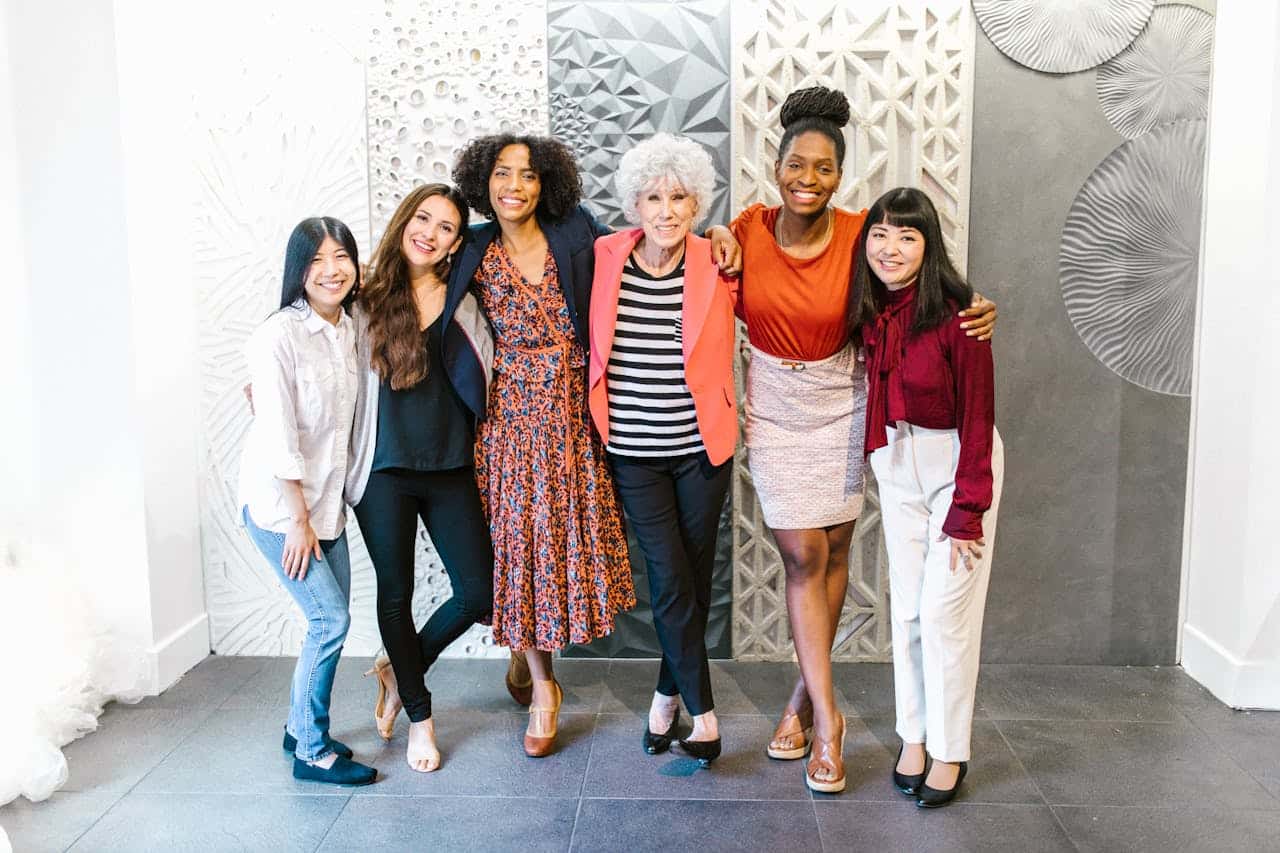
In today’s world, more women are stepping into their power and rewriting their narratives. They are choosing careers that align with their passions, building meaningful relationships, and prioritizing their well-being. They are proving that identity is not something fixed in the past but something that can be shaped with intention and courage.
Ultimately, the idea that women are defined by their past is a limitation that no longer holds true. Every woman has the ability to create a life that reflects her true self. She has the power to choose joy, to seek meaning, and to live in alignment with her values.
A woman’s past may be a chapter in her story, but it is not the entire book. The future remains unwritten, and she holds the pen.