Peggy Huang – Integrating Mind and Body for Sustainable Healthcare
Digital Edition 2026
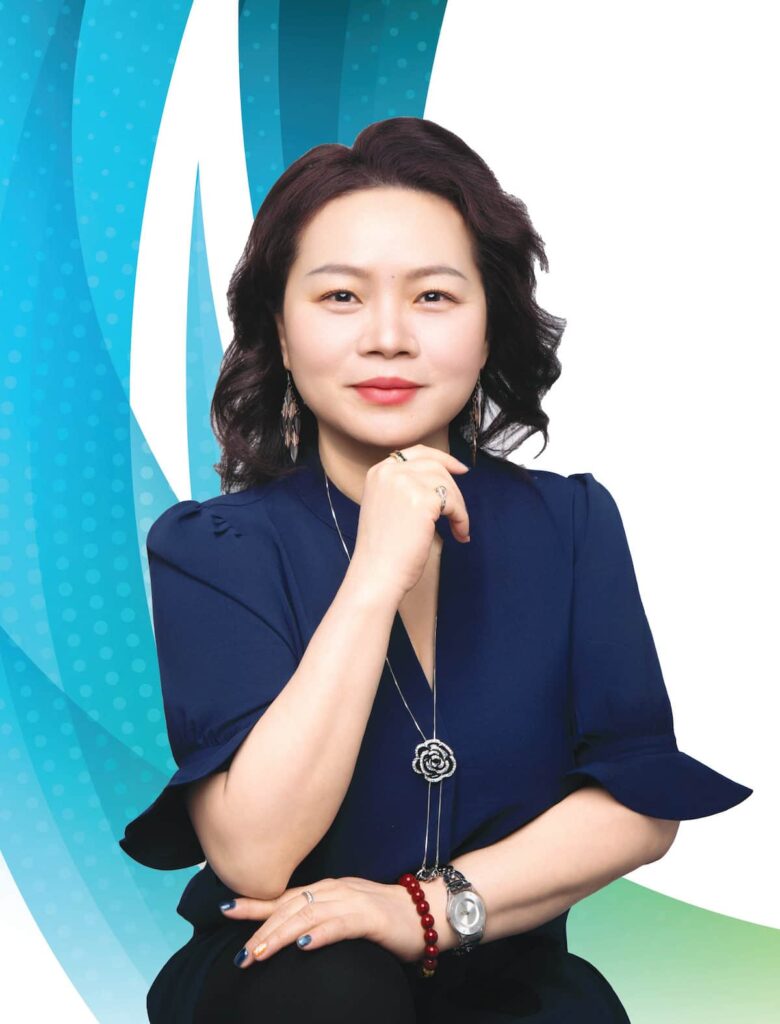
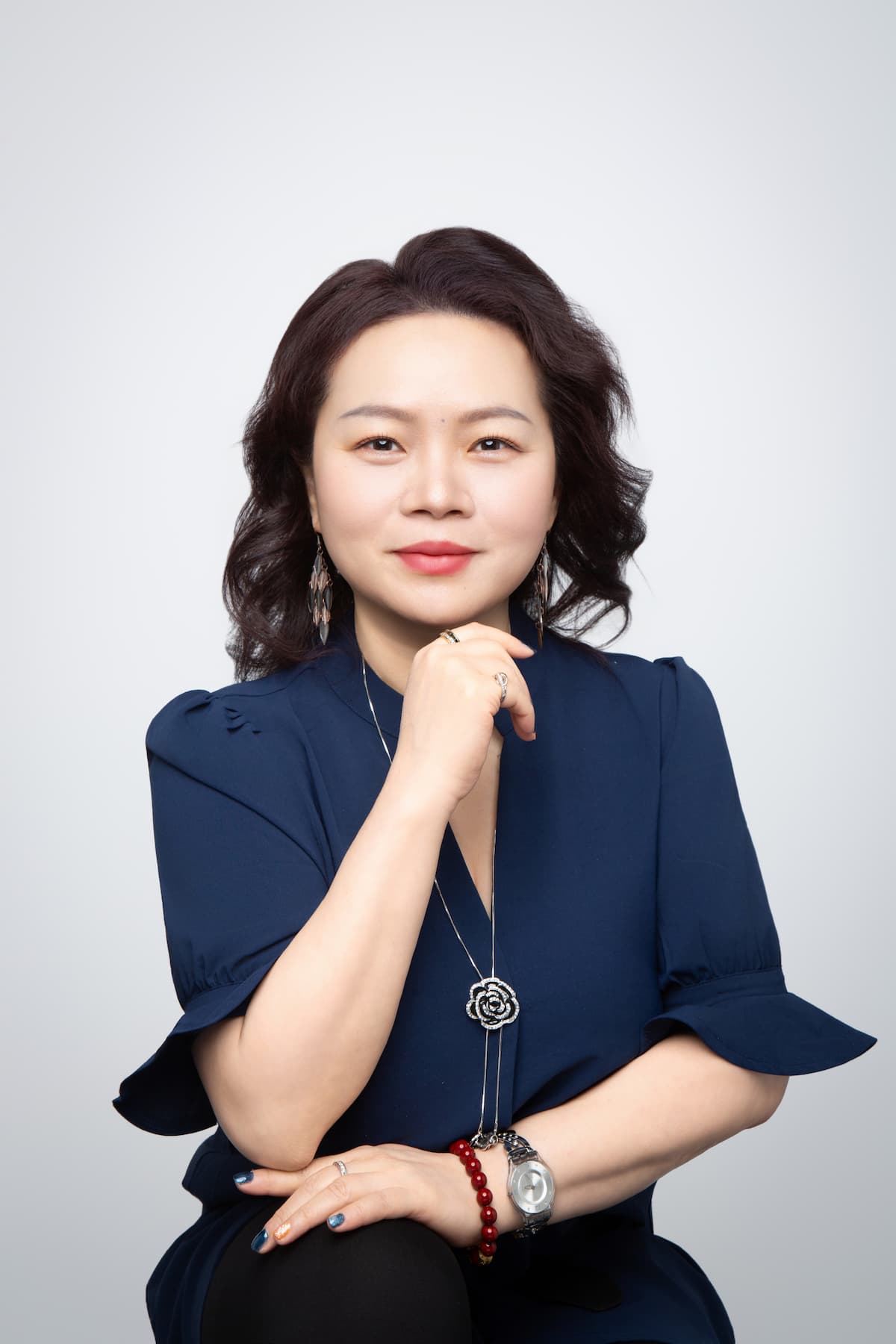
Peggy Huang has built a thoughtful and steady career in healthcare over more than 15 years, shaped by work across public, clinical, and holistic settings. Her professional path reflects a deep commitment to understanding people as whole individuals rather than as a collection of separate symptoms. From the beginning of her career, she has focused on helping individuals navigate stress, emotional challenges, and physical discomfort in a way that is practical, compassionate, and sustainable. Over time, her work has evolved into an integrative practice that brings together Western psychology and Eastern holistic medicine, offering care that addresses both the mind and the body in a balanced way. We at CIO Global are proud to name Peggy Huang as the Pioneering Woman in Healthcare Excellence, 2026.
She began her journey in healthcare within the fields of mental health and family systems. In these early roles, she worked closely with individuals, families, and communities who were dealing with trauma, chronic stress, emotional pain, and major life transitions. This work gave her a strong foundation in psychological frameworks and human behavior. It also helped her develop the ability to listen carefully, observe patterns, and support people through complex and often deeply personal experiences. During this phase of her career, she noticed that many people came to her with emotional struggles that were closely linked to physical symptoms such as pain, fatigue, tension, and other stress-related conditions.
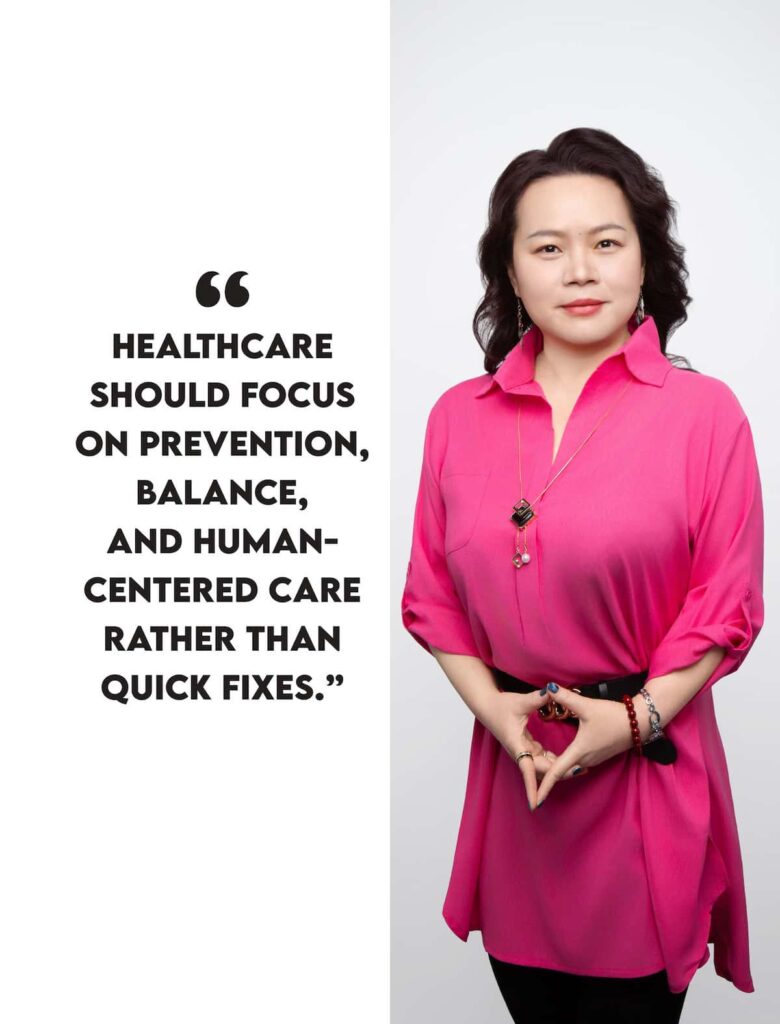
“Healthcare should focus on prevention, balance, and human-centered care rather than quick fixes.”
As her clinical experience deepened, Peggy became increasingly aware that emotional and physical health could not be treated as separate systems. She saw how unresolved stress, long-standing emotional patterns, and unprocessed experiences often showed up in the body. At the same time, she observed how physical discomfort could strongly influence mood, behavior, and overall mental wellbeing. These observations sparked a desire to expand her skill set beyond conventional psychological approaches and to explore models of care that viewed health in a more integrated way.
This curiosity led her to pursue formal training in Traditional Chinese Medicine and acupuncture. Through this education, she gained a different perspective on health, one that emphasized balance, energy flow, prevention, and the relationship between internal systems. Rather than focusing only on isolated symptoms, this approach encouraged looking at the underlying patterns that contribute to imbalance over time. By combining this training with her background in psychology and mental health, Peggy began to develop an integrative lens that allowed her to work with both emotional and physical dimensions of health more effectively.
Her decision to follow an integrative path was also shaped by her own personal healing journey. Through her childhood experiences and her own physical health challenges, she learned firsthand how deeply connected the mind and body truly are. She experienced the limitations of addressing symptoms in isolation and saw the benefits of taking a more holistic approach. Recovery, for her, came from understanding patterns, making gradual changes, and supporting the body and mind together rather than treating them separately. This personal experience became a powerful motivator and continues to influence how she approaches care today.
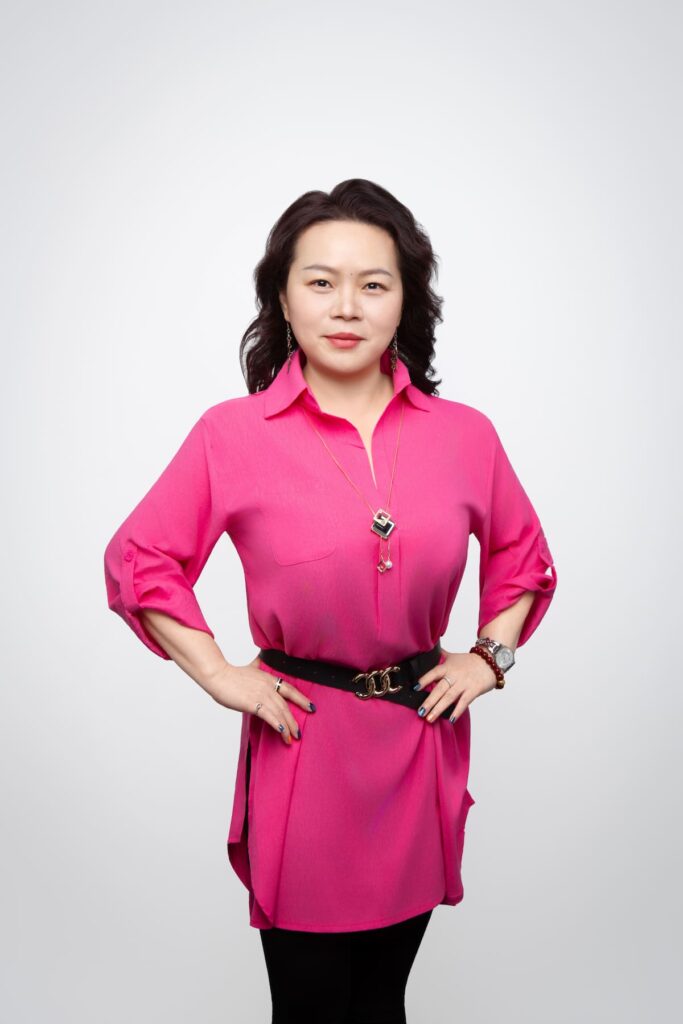
With more than 15 years of experience in the healthcare sector, Peggy now focuses her work on practical, preventive, and sustainable approaches to wellbeing. She believes that healthcare is most effective when people are supported in understanding their own patterns and are given tools they can use over the long term. Rather than offering quick fixes or short-term relief, her work aims to support deeper regulation, resilience, and lasting balance. This philosophy shapes every aspect of her clinical practice, from assessment and education to treatment planning and follow-up care.
One of her most meaningful achievements has been successfully bridging Western psychology with Eastern holistic medicine in a way that is accessible and grounded in real-world application. By integrating these perspectives, she has been able to support outcomes that are more balanced and longer lasting. Clients benefit from an approach that respects scientific understanding while also acknowledging the body’s natural capacity for regulation and healing. This integration allows her to address root causes rather than only managing surface-level symptoms, which she sees as essential for long-term wellbeing.
“Integrating Western psychology with Eastern holistic medicine allows for deeper and longer-lasting outcomes.”
What makes Peggy’s work stand out in the healthcare space is the way she translates complex concepts into practical guidance. She does not view mental and physical health as separate categories, but as systems that constantly influence one another. Her work places a strong emphasis on prevention, self-awareness, and education. By helping individuals recognize early signs of imbalance and understand how their habits, emotions, and environment affect their health, she empowers them to make informed and sustainable changes. This approach supports greater independence and confidence in managing one’s own wellbeing.
Her professional journey has not been without challenges. As a woman in healthcare, and as an Asian immigrant, she has had to navigate additional barriers such as cultural expectations, communication differences, and the need to establish credibility in systems that were not always designed to support diverse perspectives. Choosing an integrative path also meant stepping outside conventional frameworks, which sometimes required explaining and justifying her approach to colleagues and institutions. These experiences demanded resilience, clarity, and confidence in her values.
She addressed these challenges by grounding her work in solid training, ethical practice, and consistent clinical results. Rather than trying to fit into narrow expectations, she focused on delivering high-quality care and allowing outcomes to speak for themselves. Over time, integrity, professionalism, and clear purpose became the foundation for trust and recognition. By staying aligned with her values and continuing to refine her skills, she built a reputation based on reliability and thoughtful care.
Quality care and patient safety are central to Peggy’s work. She believes that ethical practice begins with clear boundaries, informed consent, and respect for each individual’s unique needs. She stays current with clinical guidelines and ongoing education to ensure that her work remains evidence-informed and responsible. Careful assessment and individualized planning are key components of her approach, as no two people present with the same history or needs. When appropriate, she encourages collaboration with other healthcare professionals to ensure comprehensive and coordinated care.
Creating a safe and respectful environment is another priority in her practice. She understands that trust is essential in healthcare, especially when individuals are addressing vulnerable aspects of their health. Transparency, clear communication, and mutual respect help clients feel supported and confident in the care process. This foundation allows people to engage more fully and take an active role in their own wellbeing.
When it comes to technology in healthcare, Peggy maintains a balanced and thoughtful perspective. She recognizes that tools such as digital platforms and artificial intelligence can support education, data analysis, and pattern recognition. At the same time, she believes that technology should never replace human judgment, clinical experience, or ethical responsibility. From her holistic viewpoint, balance is essential, and overreliance on any single tool can be counterproductive. Used appropriately, technology can enhance efficiency and support professionals, but personal health decisions still require careful consideration and individualized care.
“True healing happens when people are supported to understand their own mind–body patterns and make sustainable changes.”
Staying updated with medical trends and industry changes is an ongoing process for her. She engages in continuous professional education and regularly reviews current research across both Western healthcare and holistic medicine. Peer consultation and interdisciplinary learning also play an important role in her development. By staying connected to real-world clinical practice and professional networks, she is able to adapt thoughtfully to changes in the field while maintaining a focus on long-term, ethical care rather than temporary trends.
For young women who aspire to build a career in healthcare, Peggy offers grounded and practical advice. She encourages them to stay curious and patient with their growth, emphasizing the importance of building a strong foundation through proper training, ethics, and experience. She advises against rushing progress or feeling pressured to follow popular trends. Instead, she highlights the value of consistency, self-reflection, and openness to feedback. In her view, credibility and confidence develop naturally when work is rooted in integrity and genuine care.
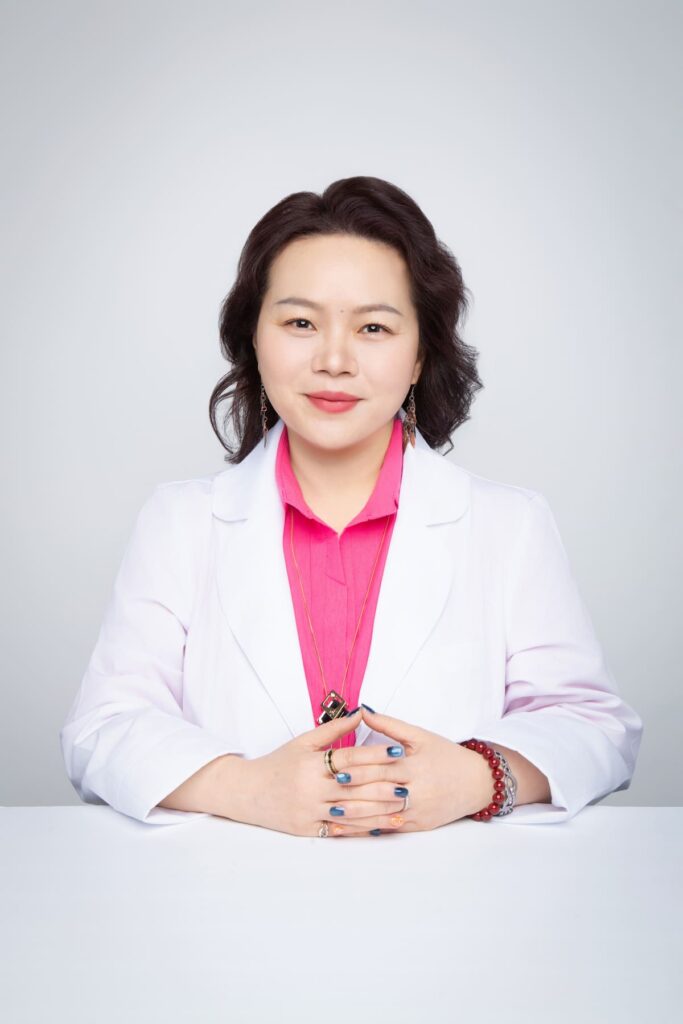
Managing stress and difficult situations is an essential part of working in healthcare, and Peggy approaches this with self-awareness and responsibility. She prioritizes regulating herself before responding to challenges, using grounding practices and clear boundaries to maintain balance. Reflection, self-care routines, and timely consultation help her navigate complex situations without becoming overwhelmed. Rather than reacting emotionally, she aims to stay present and respond thoughtfully, which supports both her own wellbeing and the quality of care she provides.
Through her work, Peggy hopes to contribute to a broader shift in how health and wellbeing are understood and supported. She aims to promote approaches that are preventive, balanced, and rooted in self-awareness rather than crisis-driven responses. By helping individuals recognize patterns early and develop practical tools, she hopes to support long-term health rather than temporary relief. Beyond individual outcomes, she seeks to contribute to conversations that value integration, sustainability, and human-centered care within the healthcare system.
Her inspiration does not come from a single mentor, but from a wide range of teachers, supervisors, colleagues, and clients she has encountered throughout her career. Each has contributed to her understanding of care, responsibility, and growth. She has learned as much from lived experience and resilience as from formal training, and these lessons continue to shape her professional values and approach.
Looking ahead, Peggy’s future goals in healthcare center on education, prevention, and accessibility. She plans to continue developing integrative programs that combine psychological tools with holistic health perspectives, making these resources available beyond traditional one-to-one care settings. She is also interested in contributing to discussions around ethical, sustainable, and culturally responsive healthcare. Ultimately, her goal is to support long-term wellbeing by helping individuals and professionals work more thoughtfully with both mind and body, creating care models that are practical, inclusive, and deeply human.
“My work is about understanding the connection between emotional patterns and physical health, not treating them as separate issues.”