Real impact in education happens when research and practice move forward together. For decades, these two domains have often operated in parallel rather than in partnership. Researchers generate insights in controlled environments, while educators navigate the complexities of real classrooms. When these worlds remain disconnected, the result is a gap between what is known and what is done. Bridging this gap is not just beneficial – it is essential for meaningful, lasting progress in education.
At its core, educational research seeks to understand how people learn. It examines memory, motivation, cognition, and behavior through structured inquiry. These findings have led to powerful insights, such as the importance of retrieval practice, spaced learning, and feedback in improving retention and understanding. However, the value of these insights is limited if they do not translate into everyday teaching practices. Research cannot remain confined to academic journals. Its true purpose is realized only when it informs how educators design lessons, engage students, and assess learning.
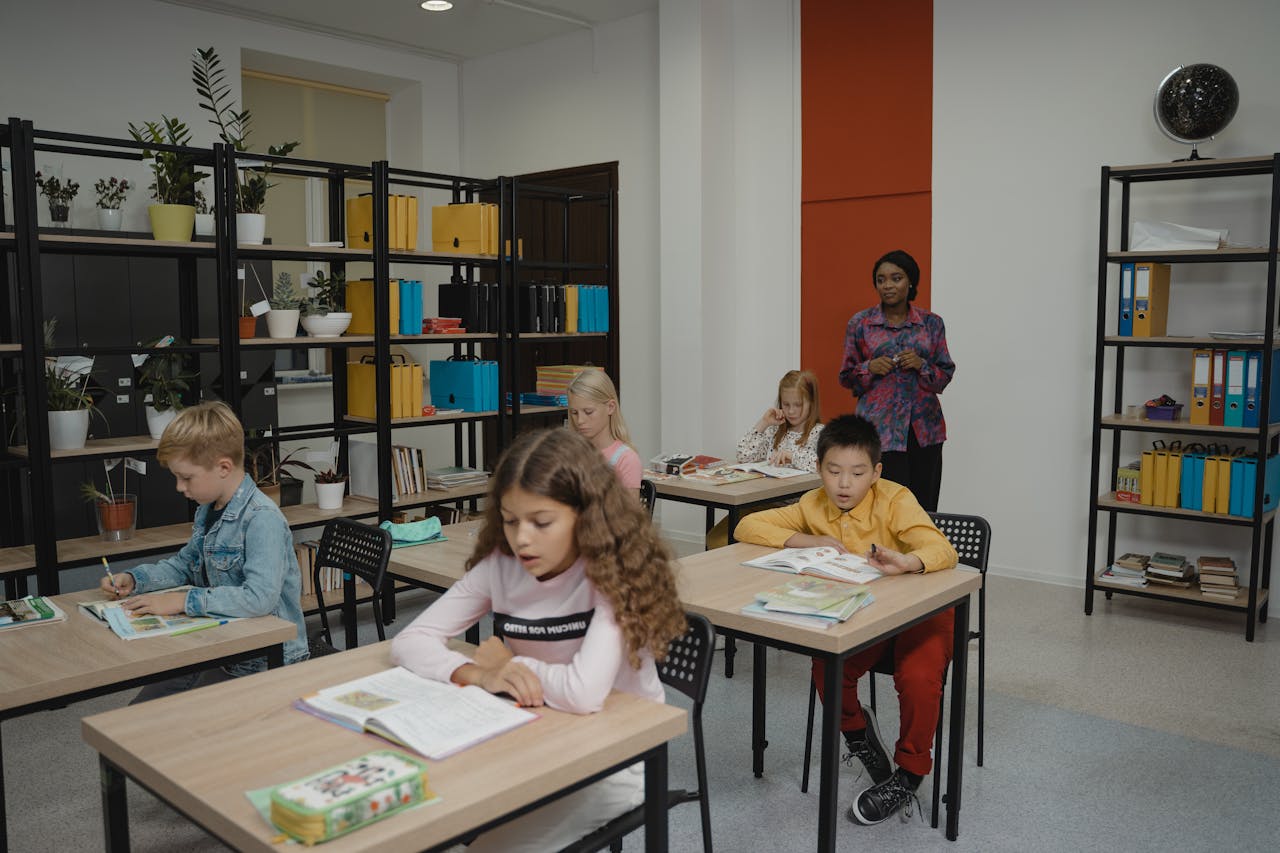
On the other side, educators operate in dynamic, often unpredictable environments. Classrooms are shaped by diverse student needs, institutional constraints, cultural contexts, and time pressures. Teachers make countless decisions in real time, balancing curriculum demands with the individual learning journeys of their students. Practical experience gives educators a deep understanding of what works, what does not, and why. Yet, without access to or alignment with research, these decisions may rely heavily on intuition or tradition rather than evidence.
The intersection of research and practice is where transformation begins. When educators are equipped with research-backed strategies, their teaching becomes more intentional and effective. For example, understanding how memory works can help teachers structure lessons that reinforce long-term learning rather than short-term memorization. Similarly, insights into cognitive load can guide the design of materials that reduce overwhelm and improve comprehension. These are not abstract theories – they are practical tools that can directly enhance student outcomes.
Equally important is the role of practitioners in shaping research. Classrooms provide rich, real-world data that can refine and challenge existing theories. Educators can identify gaps, raise new questions, and test strategies in diverse contexts. This feedback loop ensures that research remains relevant and grounded. It also shifts the perception of teachers from passive recipients of knowledge to active contributors in the advancement of educational science.
Collaboration is the mechanism that makes this integration possible. Institutions that foster partnerships between researchers and educators create environments where innovation can thrive. Professional development programs, learning communities, and applied research initiatives allow for continuous exchange of ideas. In such settings, research is not imposed from the top down but co-developed and adapted to fit specific educational contexts.
Technology is also playing a critical role in closing the gap. Digital platforms enable faster dissemination of research findings and provide educators with access to evidence-based resources. Data analytics can offer insights into student performance, helping teachers make informed decisions. However, technology alone is not the solution. Its effectiveness depends on how well it is integrated with both research principles and classroom realities.
One of the key challenges in aligning research and practice is accessibility. Academic research is often written in complex language and published behind paywalls, making it difficult for educators to engage with it. Simplifying communication and creating open access to research are crucial steps toward democratizing knowledge. At the same time, educators need support in interpreting and applying research in meaningful ways. This requires training, time, and institutional commitment.
Another challenge lies in the pace of change. Educational systems can be slow to adapt, even when strong evidence supports new approaches. Resistance may stem from tradition, policy constraints, or a lack of resources. Overcoming this requires leadership that values innovation and is willing to invest in long-term improvement rather than short-term results.
Ultimately, the goal is not to prioritize research over practice or vice versa, but to integrate them into a cohesive system. When research informs practice, and practice informs research, education becomes more responsive, effective, and equitable. Students benefit from teaching methods that are both evidence-based and contextually relevant. Educators gain confidence in their approaches, knowing they are grounded in proven principles. Institutions become more agile, capable of adapting to new challenges and opportunities.
Real impact in education is not achieved through isolated efforts. It emerges from collaboration, continuous learning, and a shared commitment to improvement. By bringing research and practice together, we move closer to an educational system that not only understands how learning works but also applies that understanding in ways that truly make a difference.