Kevin MacRitchie – Building Healthy Warriors for a Stronger Military
Digital Edition 2026
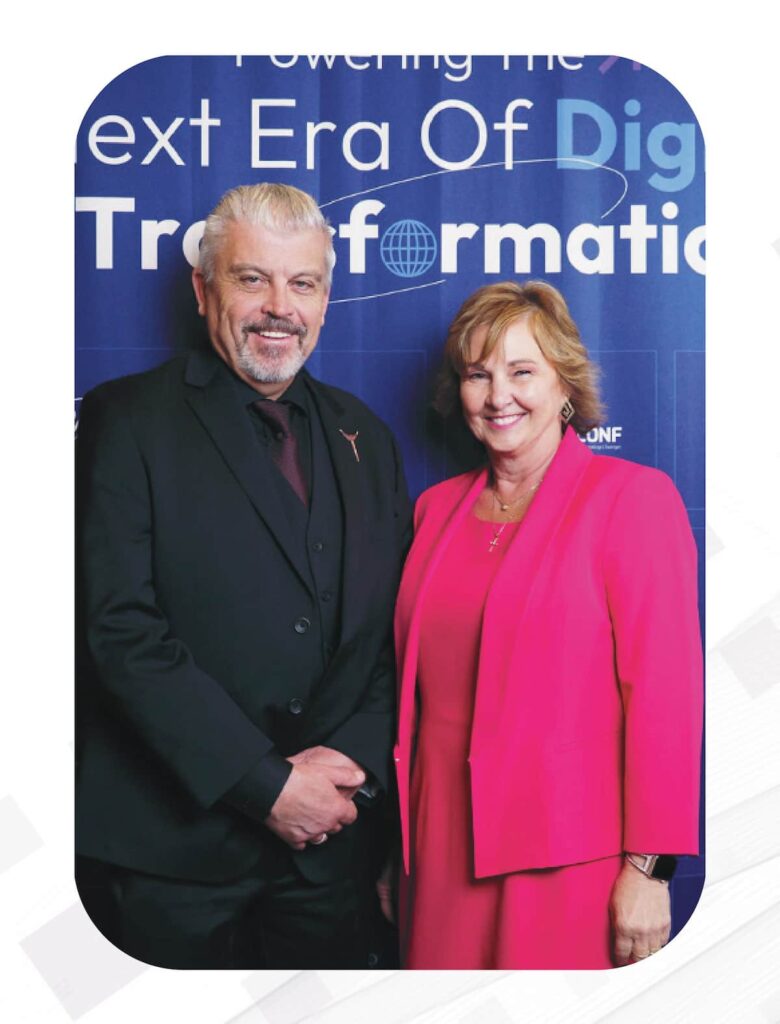

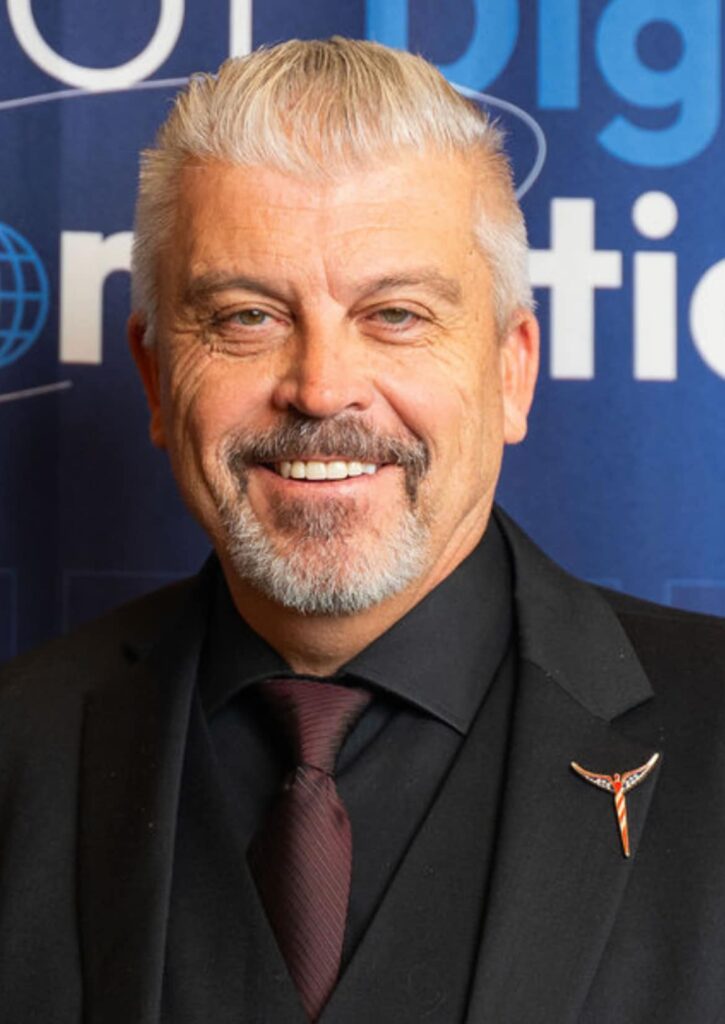
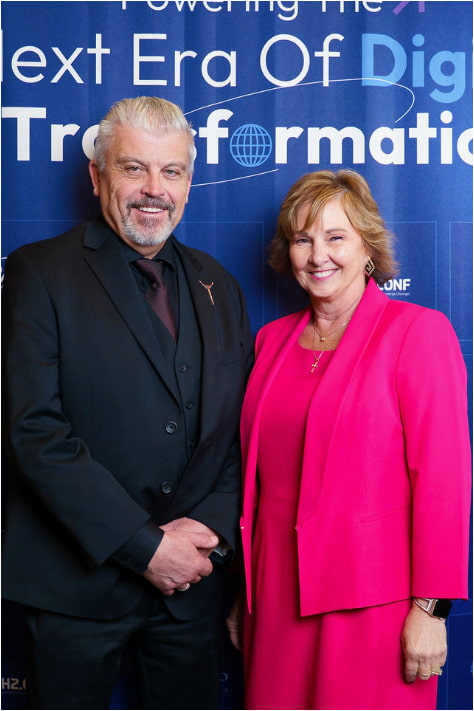
Kevin MacRitchie is a man who leads with purpose. As the Chief Executive Officer, President, and Chairman of the Board of Tactical Rehabilitation, he stands at the helm of an organization whose mission is clear and unwavering: to optimize human performance through exceptional healthcare. But if you ask Kevin himself, he is quick to redirect the spotlight.
In his view, the real story belongs to the team of dedicated individuals who show up every single day to deliver the best in care to those who serve the United States of America. Kevin simply, as he puts it, has the honor of guiding them. We at CIO Global are proud to name Kevin MacRitchie as the Visionary Leader Redefining Military Healthcare, 2026.
Before arriving at Tactical Rehabilitation, Kevin spent nearly three decades building a distinguished career at Cisco Systems. During that time, he led teams across a wide range of responsibilities, including education, government, military, and partner relations. It was through this work that he discovered what would become his true calling: serving the nation and developing high-performing teams united by a strong sense of vision and purpose. That experience taught him that when the right people are brought together around the right mission, the outcomes are nothing short of extraordinary. For Kevin, military healthcare was not a detour from his career path. It was the destination he had been working toward all along.
At Tactical Rehabilitation, the mission is to ensure that every member of the United States military is operating at their highest capability and maximum readiness at all times. Kevin describes this as a responsibility to the country, not merely a business objective. While other organizations build planes and ships, Tactical Rehabilitation builds something equally vital: the healthiest possible humans to operate them. Service readiness is not an abstract concept in Kevin’s world. It is the standard against which every decision, every program, and every patient interaction is measured. The organization does not aim for adequate care. It aims for care that restores people to a condition that exceeds the demands of their service.
“When work is fun, people bring their best. That is the greatest retention strategy there is.”
The landscape of military healthcare has shifted meaningfully over the years, and Kevin has had a front-row seat to those changes. He believes that military and administrative leaders have increasingly come to understand that a healthy military is a strong military. That understanding has translated into real investment, genuine policy changes, and programs designed with the good of service members in mind. For Kevin and his team, this shift creates both an opportunity and an obligation. As providers, they must rise to meet these evolving standards, seek out the best solutions, and build teams that are aligned with the broader mission of improving readiness and healthcare quality across the board.
One of the most pressing challenges facing military personnel today, according to Kevin, mirrors a frustration familiar to civilians as well. The healthcare system, despite its many strengths, can be a maze of paperwork, processes, and overlapping entities that leaves patients feeling confused and overwhelmed. All a patient truly wants is straightforward, high-quality care that is easy to access. Instead, navigating the system can feel like undertaking a doctoral-level course in bureaucracy. At Tactical Rehabilitation, the team works actively to eliminate that burden. They take on the complexity so the patient does not have to, ensuring that each individual receives the care they need with minimal friction and maximum impact.
The people behind Tactical Rehabilitation are a significant part of what sets the organization apart. Many of the Patient Care Specialists, and indeed many throughout the company, come from a military background, either through direct service or through generations of family members who have worn the uniform. This lived experience is invaluable. It means that when a service member walks through the door, they are not explaining their world to someone unfamiliar with it. They are being cared for by someone who already understands what they have been through. The remainder of the team brings strong medical backgrounds or professional expertise, and all share a common thread: a deep and genuine patriot mindset that drives them to serve with excellence.
Technology is reshaping military healthcare in ways that were not imaginable even a decade ago, and Kevin sees this as a powerful force for good. Artificial intelligence, integrated with process improvement and productivity-enhancing efforts, is allowing teams to automate the repetitive and documentation-heavy tasks that once consumed valuable time. This frees healthcare professionals to focus on the higher-level thinking and direct patient care that truly makes a difference. Beyond workflow improvements, new technologies are also delivering better solutions for patients themselves, enabling faster recovery, improved outcomes, and more targeted treatment options. Kevin views technology not as a replacement for human expertise but as a tool that amplifies it.
“Our job is not to slow decline. It is to restore people to better than before.”
Among the many milestones in Kevin’s career, one achievement stands above the rest in his personal estimation. He is most proud of guiding Tactical Rehabilitation through an internal transition to become an employee-owned business. This shift changed the fundamental nature of how the organization measures its success. In most companies, performance is reported in financial terms, dollars earned and profits made. At Tactical Rehabilitation, success is reported in people helped. When results are shared with employees, the conversation centers on how many patients have been served, how many lives have been improved, and how the organization can grow to reach even more people in need. This approach, Kevin notes, produces a team that is deeply motivated, fiercely committed to quality, and genuinely focused on the patients they serve.
Mental health is an area that Kevin believes cannot be overlooked in any serious discussion of military healthcare. A service member’s ability to remain mentally focused and resilient is just as critical to readiness as their physical condition. At Tactical Rehabilitation, the approach to patient care includes keeping individuals well informed about the solutions being provided for them. Patients are trained to get the best results from their treatment, consulted regularly as they progress through recovery, and supported in returning to a condition that is not merely baseline but genuinely better than before. The goal is not to manage decline. It is to enable full restoration and return the individual to their highest level of function.
“We measure success in patients helped, not dollars earned.”
The lessons Kevin has absorbed through his journey in military healthcare have deepened his understanding of both resilience and leadership. In his view, resilience is not about dramatic comeback stories or extraordinary acts of strength. It is the steady, methodical process of identifying the challenges before you, defining them clearly, and charting a course to overcome them. The same principle applies in business as it does in patient recovery. When obstacles arise, whether clinical or operational, the response is calm, deliberate, and focused on finding solutions. This is why Kevin insists that Tactical Rehabilitation remains open when others close. When COVID shutdowns occurred, when government shutdowns created uncertainty, the doors stayed open. The military does not take days off, and neither does the team that supports it.
For young professionals considering a career in military healthcare, Kevin offers advice that is both straightforward and deeply felt. Serving the nation is an incredible honor, and it must be taken seriously. Everyone involved in that mission, in whatever role, carries a responsibility unlike almost any other. In military healthcare specifically, the responsibility is to optimize human performance so that service members are not just functional but genuinely ready for anything that may come. That means refusing to settle for substandard care or solutions that merely slow the deterioration of a patient’s condition. It means seeking out and delivering the best in quality, restorative healthcare that improves quality of life and ensures that every individual is at their peak when the nation needs them most.
Underpinning everything Kevin does as a leader are seven principles he has distilled from decades of experience. He believes a leader must build a team that complements their weaknesses, not one that mirrors their strengths. The most critical role a leader has is to listen for the hard truths that only the team can reveal. Consistency and predictability in leadership are not limitations but the very foundation of trust. Allowing teams to fail forward, guided through challenges rather than shielded from them, builds loyalty and resilience in ways that smooth sailing never could. Kevin favors decisive action over perfect deliberation, knowing that course corrections are always possible. He is deliberate about cultivating culture, viewing it as the ultimate and most powerful organizational asset. And finally, he insists on fun. Work, in Kevin’s philosophy, must be enjoyable, not despite its seriousness but alongside it. When people love what they do and who they do it with, they bring their best to every patient, every day. For Kevin MacRitchie, that is not just good leadership. It is the whole point.
“Calm and consistency are how you build trust. Panic in a crisis only creates doubt.”