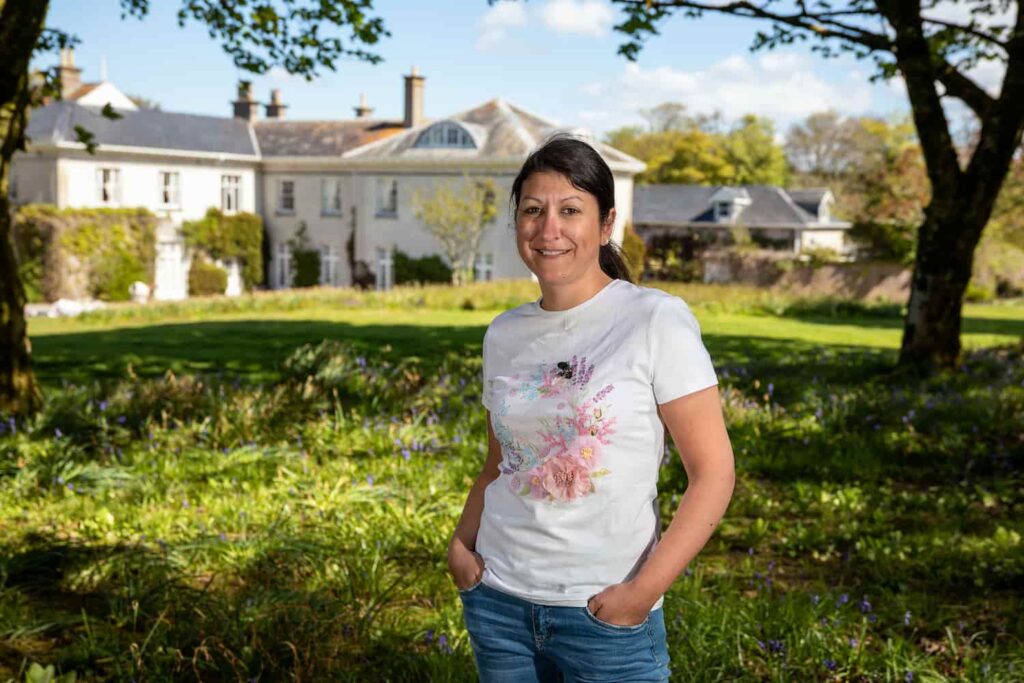
Raquel Noboa is the founder and CEO of Fifty Shades Greener, a sustainability consultancy with a strong focus on people, planet, and profit, in that exact order. Originally from Spain, she has lived in Ireland for more than 25 years, a journey that has shaped both her personal and professional life. Fun, joy, and laughter are central values for her, not only in how she lives but also in how she works. She believes that meaningful change does not have to be heavy or joyless, and that positivity can be a powerful driver of impact. As the leader of Fifty Shades Greener, she sees herself as a caretaker of the organisation, responsible for ensuring that ethical thinking, environmental responsibility, and human wellbeing are always placed at the centre of business decisions. We at CIO Global, are proud to introduce Raquel Noboa as one of the Promising Businesswomen in Europe, 2026.
Her path into sustainability did not begin in a classroom or boardroom, but from a deep love for nature developed at a very young age. Animals, in particular, sparked her curiosity and care for the natural world, and this sense of connection stayed with her as she grew older. However, her early career took a different direction. When she moved to Ireland in 1998 without speaking English, she began working in the hospitality industry. Through determination and hard work, she progressed from entry-level roles to management positions in hotels, gaining valuable experience in leadership, operations, and people management.
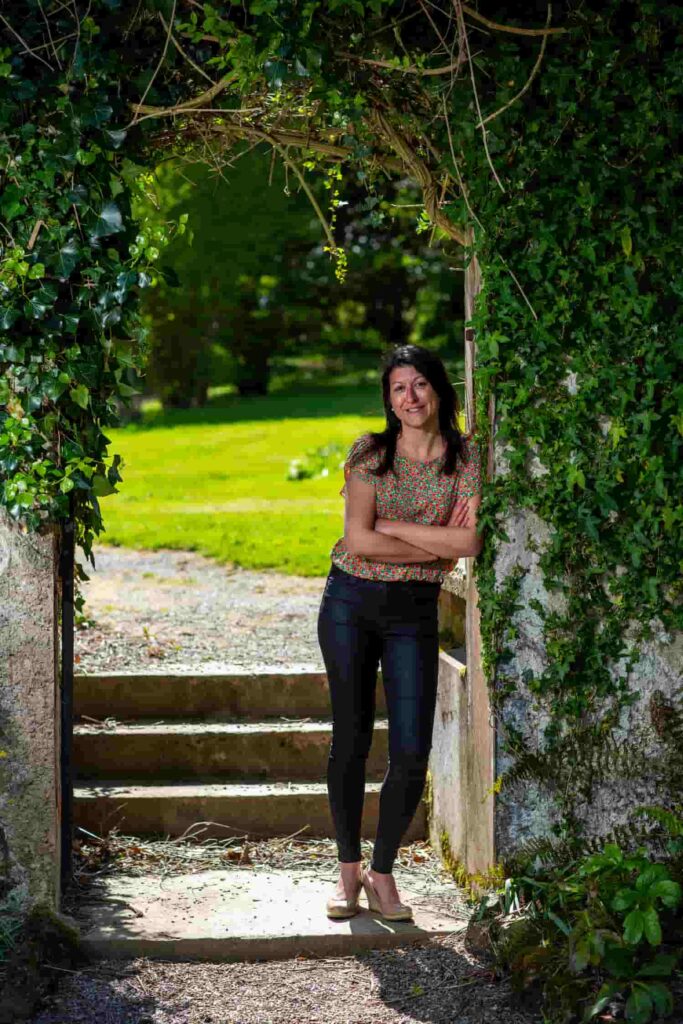
True leadership in sustainability means having the courage to do what is right and bringing others with you.
A defining moment in her life came in 2004 while she was working in the Maldives. On December 26 of that year, the Indian Ocean tsunami struck, leaving a lasting emotional impact on her. From that point on, she experienced eco-anxiety for more than a decade, a deep fear connected to environmental destruction and natural disasters. This anxiety followed her through many years and became a constant background presence in her life. While difficult, it also planted the seeds for a deeper awareness of the planet’s fragility and the urgency of environmental action.
The real turning point came later when she joined Hotel Doolin, a small boutique hotel on the west coast of Ireland. There, she was appointed as Green Manager, a role that changed the course of her career. For the first time, she learned how to measure a hotel’s carbon emissions and overall environmental impact. This experience was transformative. She realised that if environmental impact could be measured, it could also be reduced. What once felt overwhelming and abstract suddenly became practical and actionable. This realisation shifted her eco-anxiety into purpose and gave her a clear mission to learn more about sustainability and climate action.
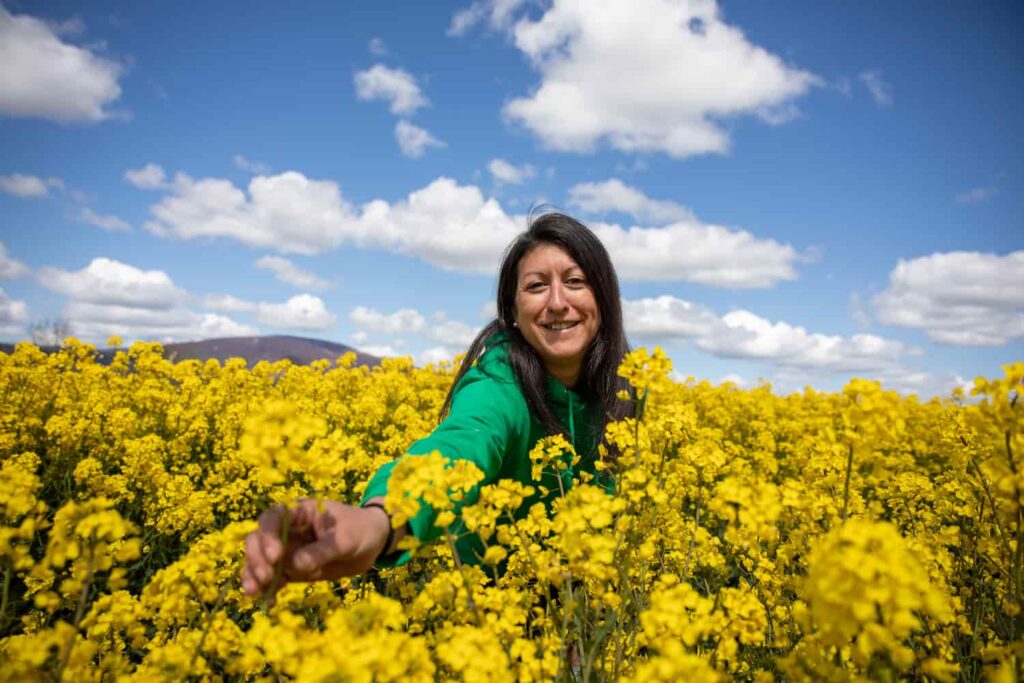
In 2017, she took a bold step and founded Fifty Shades Greener. The company was created to share the knowledge she had gained and to help others on their own sustainability journeys. Initially focused on the hospitality industry, the business aimed to show that sustainability is not only good for the planet but also makes strong business sense. Over time, the work expanded to include education organisations, a wide range of industries, and government bodies. Today, the organisation focuses on helping clients move from fear, confusion, or resistance to confidence, clarity, and meaningful action.
For Raquel, sustainability is deeply personal. It means taking responsibility for how daily actions affect the planet, other people, and future generations. She is open about the fact that living sustainably is not about being perfect. There are moments when it feels hard, and times when mistakes are made. What matters most to her is awareness and progress, making better choices step by step and staying open to learning. She believes that sustainability should be realistic, human, and compassionate rather than rigid or judgmental.
If we can measure our impact on the planet, we can also reduce it and create real change.
Professionally, sustainability is the foundation of everything she does. It drives her decisions, shapes her leadership style, and defines the purpose of Fifty Shades Greener. She strongly believes that sustainability is not a trend or a marketing tool, but a way of life and a long-term responsibility. Her work now goes beyond environmental issues alone and includes social sustainability, human rights, and ethical supply chains. She sees sustainability as a system where environmental, social, and economic factors are deeply connected.
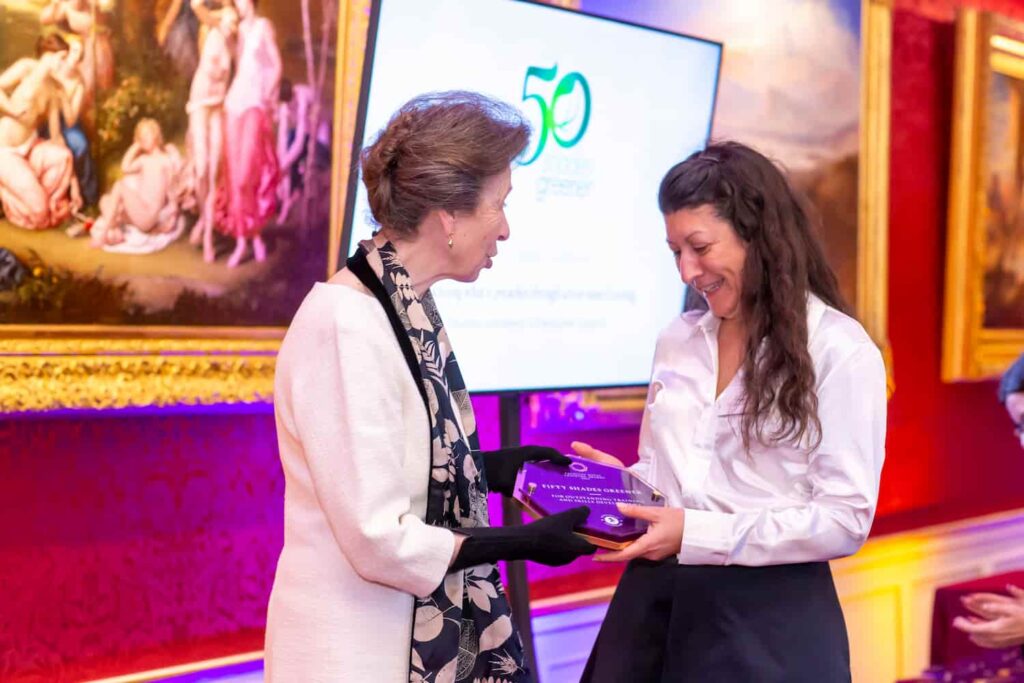
Despite her passion, the work comes with significant challenges. One of the hardest aspects is dealing with despair and frustration, especially when progress feels slow or when political decisions fall short. Working closely with scientific reports and real-world data means constantly facing the consequences of inaction. A recent delay by the European Union in sustainability reporting requirements was particularly difficult for her. She sees ESG reporting as much more than emissions data. For her, it is also about protecting human rights, especially within global supply chains where vulnerable communities often suffer. Moments like these can feel discouraging and emotionally heavy.
What keeps her going is the people around her. Her team and global partners provide constant support, shared purpose, and renewed energy. Laughter also plays an important role in her resilience. She makes a conscious effort to laugh every day, even on difficult days, believing that joy is not a distraction from serious work but a necessary source of strength.
In her view, true leadership in sustainability requires courage and integrity. It means doing what is right rather than what is easiest or most popular. A real leader brings others along by sharing knowledge, simplifying complex ideas, and showing that small actions can lead to meaningful change. Collaboration, education, and empowerment are at the heart of her leadership philosophy. She believes that sustainability becomes truly powerful when it becomes normal, embedded in everyday decisions, workplaces, and cultures. Through her work and her example, Raquel Noboa continues to show that sustainability can be impactful, inclusive, and full of humanity.
Sustainability is not about being perfect, it is about being aware and improving step by step.