
Mayda Gonzalez-Bosch – Leading with Purpose in Health Professions Education
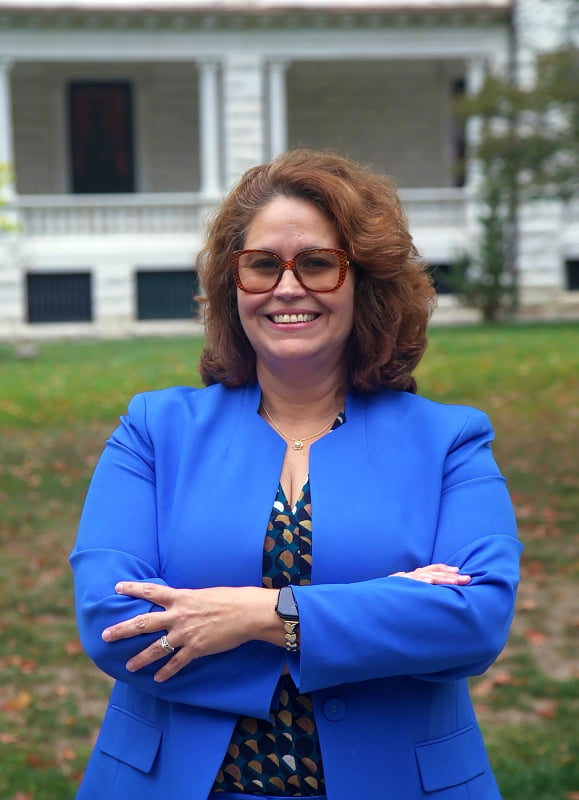
Mayda Gonzalez-Bosch serves as the Associate Academic Vice President for Health Professions at SUNY Orange. Her journey in higher education began in 2006, at a time when she was preparing for her medical board examinations in the United States. As a foreign-trained medical doctor, she was navigating the complex licensure process while teaching as an adjunct faculty member.
At first, teaching was meant to be temporary while she pursued medical residency. However, the classroom quickly became more than a stepping stone. It became a calling. We at CIO Global, are proud to introduce Mayda Gonzalez-Bosch as one of the Visionary Women Shaping the Future of Education, 2026.
From her earliest days as an instructor, she felt a deep sense of purpose in guiding students who were preparing for careers in the health professions. She understood the rigor and discipline required in healthcare education, and she wanted to ensure that students had a clear understanding of both academic expectations and career pathways. During this period, she made a personal decision to pause her residency training in order to focus on her growing family. That decision allowed her to invest more fully in teaching, and over time, she chose to build her career in higher education.
Her transition from adjunct faculty to full-time professor happened quickly. Colleagues recognized her strengths in curriculum design, program development, and leadership. Over the years, she moved into roles of increasing responsibility, including supervisor, program director, associate dean, and now associate vice president. Despite her administrative advancement, she has remained deeply connected to the classroom. She believes that effective leadership in education must be grounded in direct understanding of the student and faculty experience. Staying close to teaching keeps her perspective clear and her decisions informed.
True impact is measured by the barriers we remove and the opportunities we create.
Education inspires her because it opens doors. She knows from her own life that education can transform circumstances and create opportunities that might otherwise remain out of reach. This belief drives her commitment to expanding access, particularly for students from underrepresented communities. Each day, she is motivated by the knowledge that her work can remove barriers and create clearer pathways toward academic achievement and meaningful careers.
Her leadership style is people-centered and service-driven. She leads by listening first. Building trust is essential in her approach, and she works intentionally to ensure that faculty and staff feel valued and supported. She describes herself as both a servant and transformational leader. Transparency, collaboration, and shared purpose define her work. Rather than leading from a distance, she seeks to bring people together around common goals and create an environment where progress is possible.
One of the most significant challenges in her career occurred during her doctoral studies. At the time, she was serving as Associate Dean at Bergen Community College while pursuing her doctorate at New Jersey City University. When the university made the decision to close the program, she and her cohort were required to transfer to another institution and adjust to new academic expectations. Rather than allowing the disruption to derail her progress, she remained focused on her long-term goal. She transferred to Manhattanville University, successfully navigated the transition, and completed the program while continuing to fulfill her leadership responsibilities. This experience strengthened her resilience and reinforced her ability to lead through uncertainty with clarity, adaptability, and commitment.
She believes that one of the most urgent needs in education today is a stronger alignment between equity, access, and long-term student outcomes. Institutions must move beyond enrollment numbers and focus on meaningful results such as career placement, transfer success, and continued learning. Education should remove barriers and create intentional pathways, especially for students who have historically faced limited opportunities. Leadership, in her view, must be rooted in empathy and informed by student voices.
Leadership in education begins in the classroom and grows through service.
A project she remains especially proud of is her work on the Health Workforce Grant at Bergen Community College in 2018. Through this initiative, she helped develop one of the college’s first healthcare apprenticeship models within a highly regulated field. As curriculum lead, she designed educational pathways that met accreditation standards while aligning closely with employer needs. The project strengthened partnerships between the college and healthcare employers and expanded career opportunities for students. It also reinforced her commitment to workforce-aligned and student-centered education.
Innovation and technology play a central role in her leadership. Her research on faculty preparedness is grounded in the Universal Design for Learning framework, commonly known as UDL. This approach emphasizes flexible and inclusive learning environments that respond to diverse student needs. In her current role, she integrates UDL principles into divisional planning, faculty development, and program design. She supports technology-enhanced learning tools and emerging artificial intelligence applications, not for novelty, but for purposeful implementation. Her focus remains on accessibility, personalization, and improved student persistence.
To her, future-ready education begins with clear outcomes in mind. Institutions must design programs backward from students’ long-term academic and career goals. Success should not be measured only by course completion but by progression, placement, and meaningful achievement. A future-ready system recognizes diverse student backgrounds and provides proactive, equitable support. Inclusive design, data-informed decisions, and innovation must work together to expand opportunity.
Supporting growth is central to her philosophy. She advocates for equitable access to resources and supportive learning environments that foster belonging. At the same time, she invests in faculty development through mentorship, collaboration, and reflective practice. She understands that educator growth directly shapes student experience. By building a culture of continuous improvement, she strengthens both institutional effectiveness and community impact.
Women leaders, in her view, are reshaping the future of education by advancing equity and inclusive leadership models. Their presence in decision-making roles challenges traditional assumptions and creates more representative institutions. Women often lead with collaboration, empathy, and long-term vision, qualities that are essential in community colleges serving diverse populations. Through purposeful leadership, women contribute to cultures that prioritize belonging, innovation, and shared responsibility.
Resilience and balance come from clarity of mission. She grounds her work in values of equity, access, and student success. By focusing on long-term goals rather than immediate pressures, she maintains perspective. Reflection, collaboration, and empathy for herself and others help her sustain energy and effectiveness in complex environments.
Her greatest influences have been her parents. Her mother, though formally educated only through middle school, instilled discipline, determination, and belief in the power of learning. Her father emphasized that knowledge holds greater value than material wealth. Together, they shaped her understanding of education as both a privilege and a responsibility.
Education opens doors, but equity ensures everyone can walk through them.
Looking ahead, she aspires to advance into a college presidency. As an immigrant and a woman, she recognizes the challenges within higher education leadership structures. Yet she remains committed to preparing for that responsibility through purposeful service and institutional strengthening. Her vision is rooted in integrity and opportunity creation.
Her message about leadership and learning is clear. Leadership is not defined by title but by service and accountability. Learning is lifelong and must remain inclusive and accessible. Impact is measured not by recognition, but by the doors opened and barriers removed. Through her work, Mayda Gonzalez-Bosch continues to model education as a force for equity, access, and lasting possibility.